
PGCE - Secondary English with QTS (11-16)
Inspire the next generation by sharing your passion for literature with young people. In this specialised PGCE pathway, you can instil a love of English and creative writing within the children you teach.
Our well-respected PGCE Secondary with QTS supports you through your journey from student to Early Career Teacher (ECT). Moreover, as the PGCE programme includes QTS (Qualified Teacher Status) you'll apply for your first teaching position whilst studying with us.
The University of Warwick provides accreditation for the QTS element of this University of Cumbria programme.
Accredited by:
OFSTED Rated 'Good' 2023:

-200x90.png)
Department for Education

Course Overview
Grounded in the learning of our acclaimed PGCE Secondary programme, this English pathway allows you to develop the skills to teach in the secondary school setting, delivering engaging English lessons. This unique specialism gives you the opportunity to inspire a love of literature along with nurturing imagination and creative expression in the children you teach.
You’ll learn through a blend of theory and hands-on experience, working within the National Curriculum Framework. You'll explore the key concepts and themes of the PGCE curriculum, confidently devising and delivering engaging lessons to children and young people, aged 11-16 years old.
Over half the course will be spent working in the classroom on assessed placement, with school-based enrichment activities alongside your university-based study. You'll take two placements across a variety of schools and settings, building a wealth of experience to help advance your future career.
On this course you will...
- Inspire young people to explore the literary world.
- Benefit from high-quality support from our academics and staff on a programme designed around you.
- Learn from an experienced, highly qualified programme team, working at the forefront of the academic field.
- Enjoy the intimate feel of our course delivery, with small class sizes and your own personal tutor.
What our graduates say
-
![Kerryann Wilson]()
When I think of my studies here, I look at each course with a real sense of achievement. Each has helped pave my career pathway to date, providing me with a first-class education and the necessary foundations to excel professionally.
Kerryann Wilson
PGCE Secondary English, Alumnus of the Year 2021 and Winner of Pearson National Teaching Award 'Teacher of the Year in a Secondary School' 2021

.webp)
Location
Lancaster Campus
Lancaster is the Red Rose heartland, a student haven full of history and culture. With iconic stone architecture, parkland, and a caring community, this is the place to get involved. The campus houses top-quality facilities tailored to the needs of life-savers, world changers, and future leaders.
Find out more
Find out more about studying with us

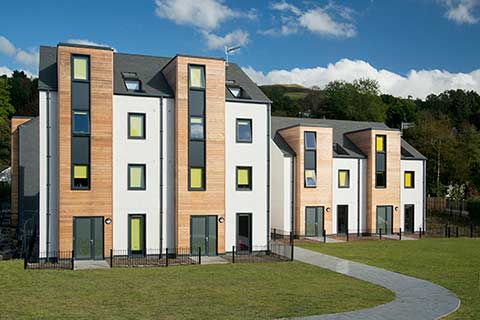

Attend an Open Day at Cumbria
An Open Day is your opportunity to explore one of 5 campuses, meet your lecturers, and find out how the University of Cumbria could become your new home.