
BSc (Hons) - Forest Management
Are you driven to shape and save the future of our environment and tackle important critical issues? Learn from world-leading experts how to work with nature, not against it, on our forest management course.
You will be based at the National School of Forestry at our inspirational Ambleside campus in the heart of the Lake District - the ideal location to explore and practise forest management.
Accredited by:
Institute of Chartered Foresters
Course Overview
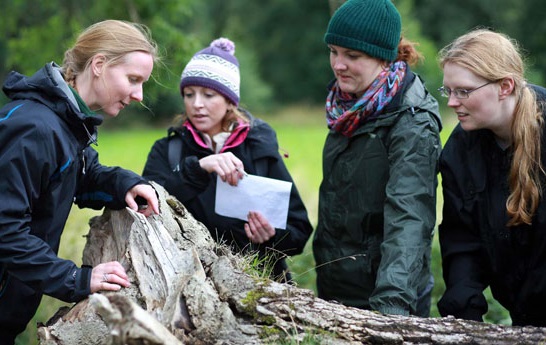
On this degree, you’ll study the management of woodlands and forests for commercial, recreation, and conservation. Your course will include modules on silviculture, woodland ecology, forest health, and forest management planning. Practical hands-on experience backs up theory and there will be opportunities to study in a wide range of forest environments, from ancient semi-natural woodland to plantations.
You’ll be well placed for a career as a professional forest manager both at home and overseas. The degree has a vocational focus and it is expected that as part of your course, you will acquire practical experience in forestry through employment, placements, work experience, and volunteer opportunities.
On this course you will...
- Develop skills and knowledge that is attractive to forestry employers.
- Be taught by tutors who have worked as professional foresters and bring their first-hand experience to their teaching.
- Be a part of small class sizes, meaning you’ll get personal tutor guidance and support throughout your studies.
- Experience hands-on forestry frequently, thanks to our practical-focused approach.
Location
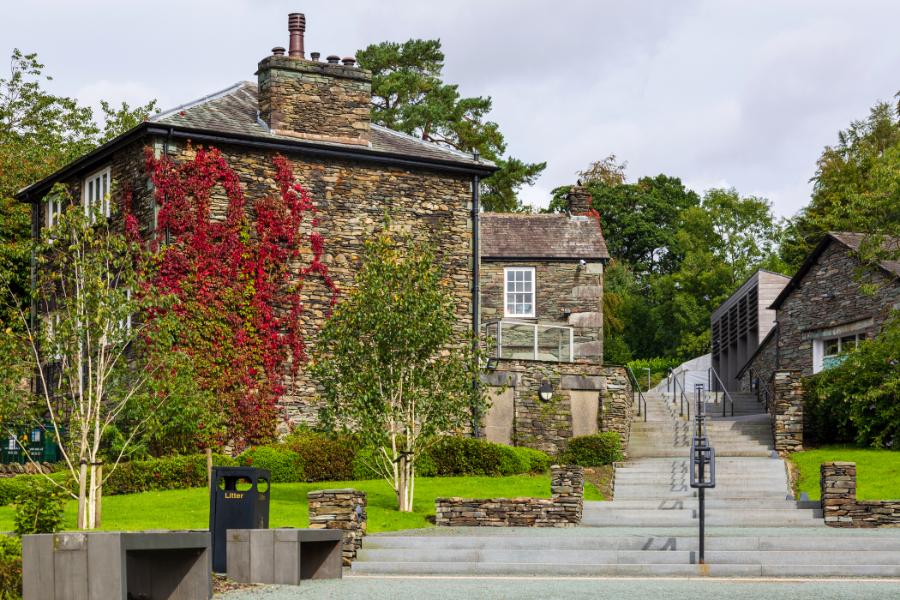
Ambleside Campus
Nestled in the Lake District National Park, a UNESCO World Heritage site, the Ambleside campus is the perfect place for world-savers, animal lovers, and adventurers. There is never a dull moment when surrounded by such natural beauty and opportunity.
Find out more
Find out more about studying with us


Attend an Open Day at Cumbria
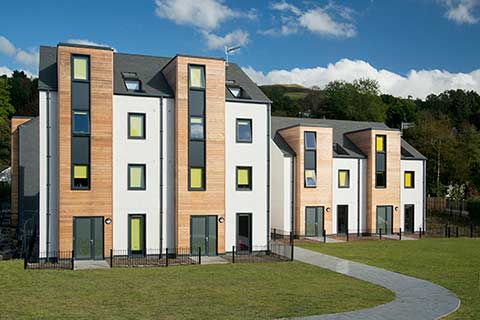
An Open Day is your opportunity to explore one of 5 campuses, meet your lecturers, and find out how the University of Cumbria could become your new home.