
Disability and SpLD e.g. dyslexia
The University is committed to ensuring you are able to participate effectively in your chosen programme of study and all areas of University life. The University defines disability broadly, including:
- mobility impairments
- sensory impairments
- medical conditions
- autism (ASD)
- specific learning difficulties (SpLD's such as Dyslexia or Dyspraxia)
- mental health conditions.
We are mindful of the on-going external changes to funding such as DSA which will be increasing the level of adjustments required to promote accessibility to courses and premises. Please see our university Disability Baseline Statement detailing our current level of anticipatory reasonable adjustments. This document will be updated annually.
To access these adjustments you will need to:
-
Please complete our Support Request Form to let us know about the impact of your disability. Once we have processed your questionnaire you will receive a copy of the Disability Action Plan and an email detailing your next steps.
-
Provide some evidence of your disability, such as GP's letter and for many SpLD's an Educational Psychologist Assessment
-
If whilst you are waiting to hear from us you start to struggle or at any time you need to see us please book an appointment with the team here. If you have been allocated support such as Study Skills please use the above link to book in with a Specialist Learning Advisor.
The University has various specialist advisers who have a range of different roles.
- Specialist Learning Development Adviser / Specialist Learning Adviser you may see these staff if you have a SpLD / Autism (ASD)
- Disability Officer if you have a disability / or a diagnosed mental health condition or would like to chat to someone
- If you have both an SpLD and a disability you may see either, but the team suggest you consider which impacts on you the most.
The appointment will discuss with you:
- support available to you on your academic course such as additional time in exams
- the loan of digital recorders to record teaching sessions (for which you need to seek permission)
- accessing the Disabled Students Allowance - many funding bodies offer an additional allowance called Disabled Students Allowance (DSA) which covers the costs of additional support that you may incur at University and for further adjustments such as access and training for IT equipment / assistive software and access to non-medical help such as specialist study skills / mentors
- if you are unable to access the DSA, the University has other funds that may be available to support your learning and access to your course
- discuss support on and access to any professional placements you may have
At the end of the meeting these discussions will become part of an individual disablity/SpLD action plan which will, with your consent, be circulated to your academic team and other services. This will ensure that there is an awareness of your needs and adjustments and that the right support is available to you whilst you are studying with us.
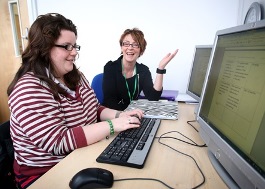
"The support you get from this Uni is fantastic. Anyone can reach their goals or do whatever they want if they have the mixture of strong determination and the ability to ask for help."
Amy Crossland
See the following sections for more information:
- Assistive Technology
- Coursework and Examinations
- Disabled Students Allowance
- Equality Diversity and Inclusion
- Non-Medical Help