
From Newton Rigg to Ambleside: The National School of Forestry
Published on: 03/07/2026
Tagged:
By Joanne Lusher
A history timeline
With a history spanning more than 60 years, the National School of Forestry (NSF) has trained hundreds of professionals working across the globe today.
Established in 1961 at Newton Rigg College, the NSF was the UK’s first national centre for forestry training. The school has evolved alongside the industry, transitioning from BTEC diplomas to undergraduate degrees under the University of Lancashire (formerly University of Central Lancashire UCLan) and finally joining the University of Cumbria in 2007. Since moving to the Ambleside campus in 2014, we have expanded further to offer degree apprenticeships.
Our alumni now occupy some of the most senior positions in the forestry and woodland sector. Whether alumni studied at Newton Rigg or Ambleside, under UCLan or the University of Cumbria, they are a vital part of our history.
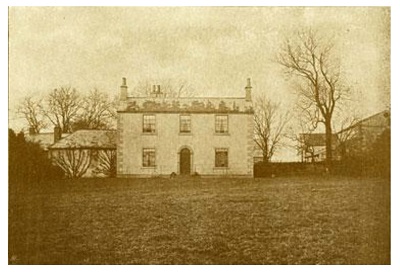
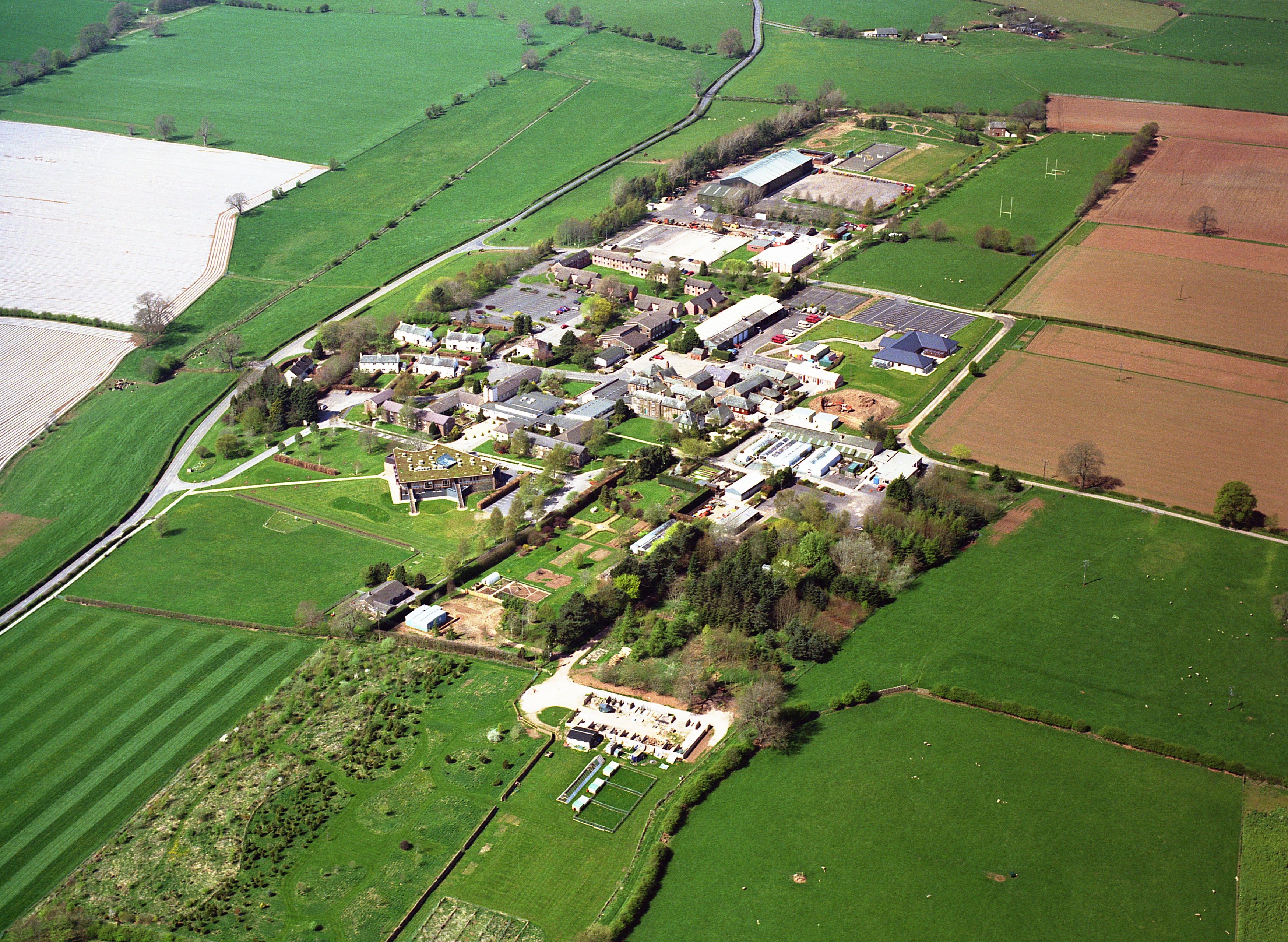
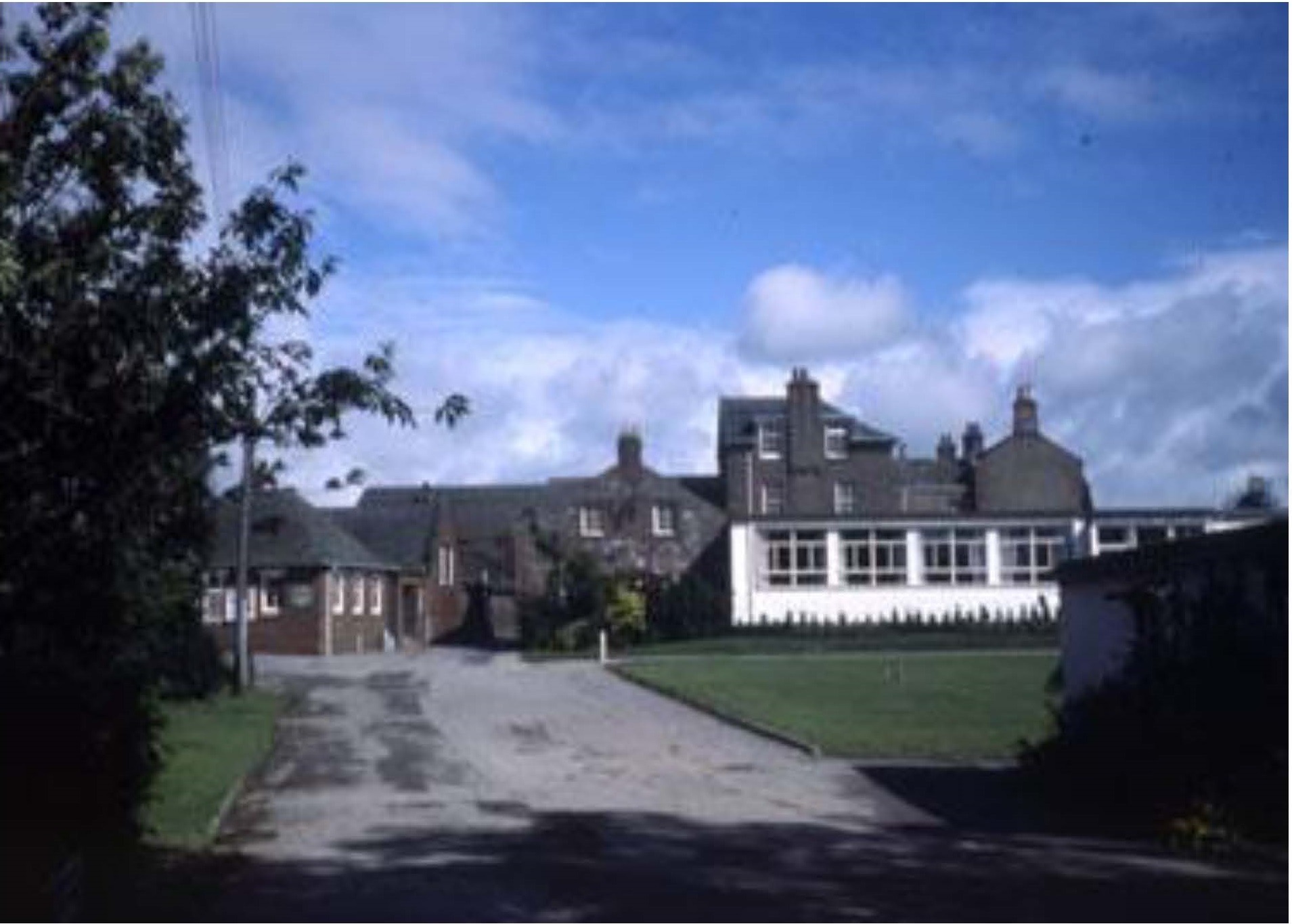
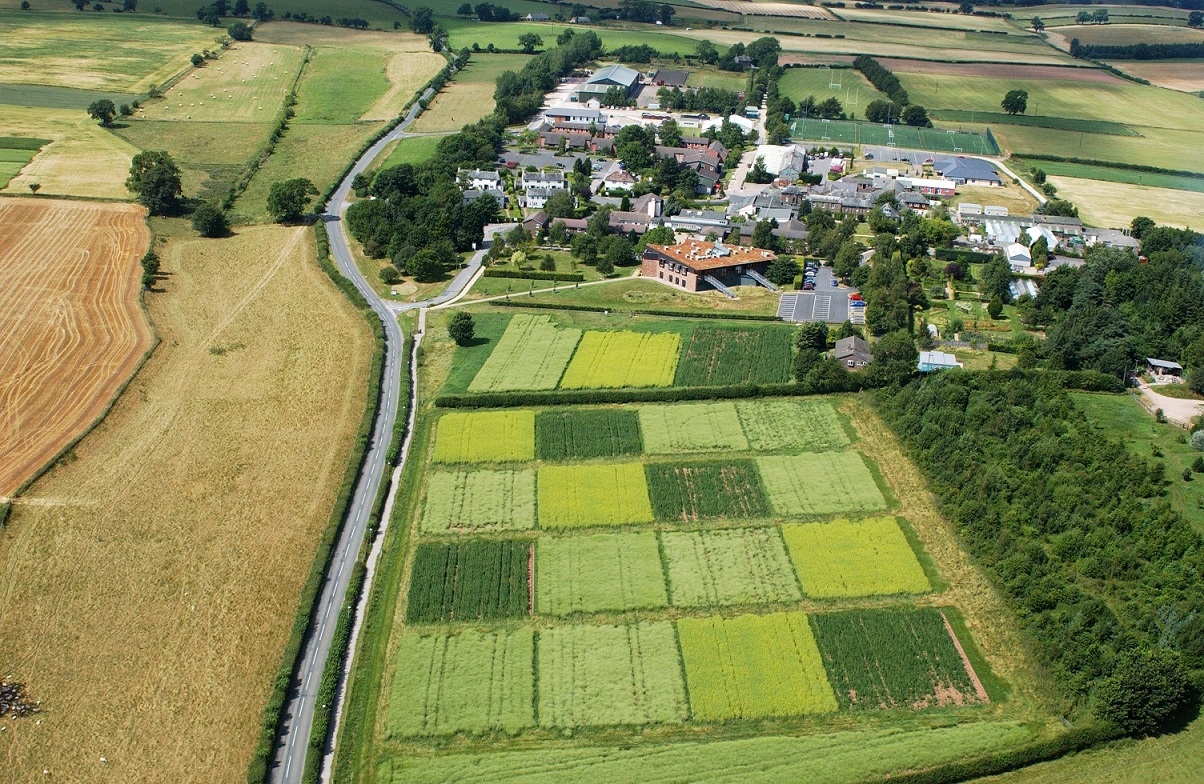
Image shows ,Newton Rigg, Cumberland and Westmorland Farm School (Manager's House) kindly supplied by Cumbria Image Bank
1896 - The Cumberland and Westmorland Farm Institute was established. Newton Rigg Farm near Penrith was acquired by the counties of Cumberland and Westmorland to create a farm school, it was to be the centre for agricultural education.
1960 - Low Beckside Farm, an uplands farm at Mungrisdale, a traditional Cumbrian hill farm at the foot of Blencathra is acquired by the college. Newton Rigg is the only agricultural college to own its own uplands farm. The commercial farm is an important training tool for the students.
1961 – Following a government initiative to formalise forestry education, the Farm Institute was the first national centre for forestry education and training. The institute was to provide courses for forestry workers and employees of the Forestry Commission.
1963 - Forestry teaching began in January at Newton Rigg. Newton Rigg was an ideal place with good rail and road links plus access to large forests in Kielder and over the border in Scotland.
Alec Pyman, a former Forestry Commission forester, was appointed the first forestry lecturer. He managed all forestry education for 19 years.
In its first seven years the college taught over 1,600 students from across the country.
1969 – Newton Rigg was given the title ‘The National College of Forestry’ and recognised as the national centre for forestry education at supervisory level.
1970 – The college now delivered the Ordinary National Diploma (OND) in Forestry. This was a full-time three-year sandwich course where students were expected to have one or two pre-college years of experience. Students went on placement to the Forestry Commission and in the private sector. This was the flagship course, but they continued to deliver short and part-time courses.
The college was now called the Cumberland and Westmorland College of Agriculture and Forestry.
1974 – To reflect the establishment of the new county of Cumbria, the college name changed again to The Cumbria College of Agriculture and Forestry.
The county education departments invested heavily into the college. A new purpose-built forestry teaching block was constructed with new lecture rooms, seminar and staff rooms plus extensions to the machinery workshops. New staff were recruited and the Forestry Commission transferred, tools and books.
The course did very well over the next three decades with a regular number of students, low dropout rates and more than 700 students qualified into the industry.
1983 – The first female student graduated from the OND, leading the way for many more.
1989 – The OND was downgraded to two years, and a new Higher National Diploma (HND) was introduced, resulting in a drop in recruitment. The college made an application to the Business and Technology Education Council (BTEC) to offer the HND in forestry. The University of Central Lancashire (UCLan), now known as University of Lancashire, supported this. The forestry provision at the college was now known as the National School of Forestry (NSF).
1998 – Expansion of Higher Education nationally, the government now aimed to have a 50% participation rate. Newton Rigg College officially became part of UCLan, which enabled the college to develop BSc (Hons) degrees. Further education and a range of short courses continued to be delivered.
The focus of the BSc was on social and community forestry, with two years at Newton Rigg and one year taught at Preston. The course was later replaced with Forest and Woodland Management.
2000 - The first distance learning course started, a pioneering development, the first degree globally of its type. The school also offered top-up degrees for those that with an OND or HND.
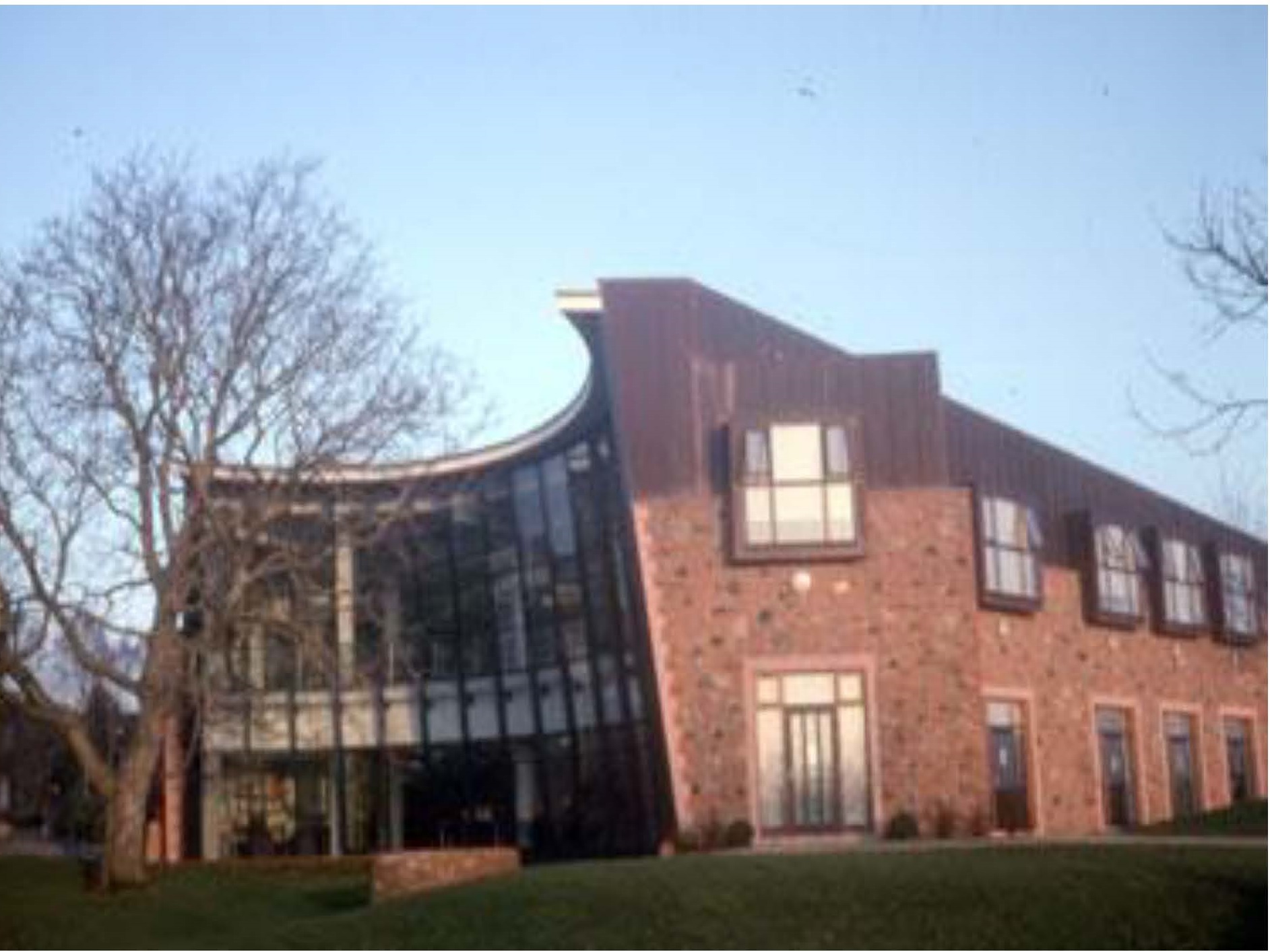
2001 – UCLan invested heavily into the campus and a new £3million library and resource centre opened.
2003 - A joint further education funding bid between Newton Rigg and Merscough College enabled new equipment and the purchase of Eden Brows, a small woodland near Armathwaite.
2006 – A bespoke MSc Forest Business Management was developed for a cohort of 21 agricultural lecturers in Nigeria.
The first PHD student began her studies.
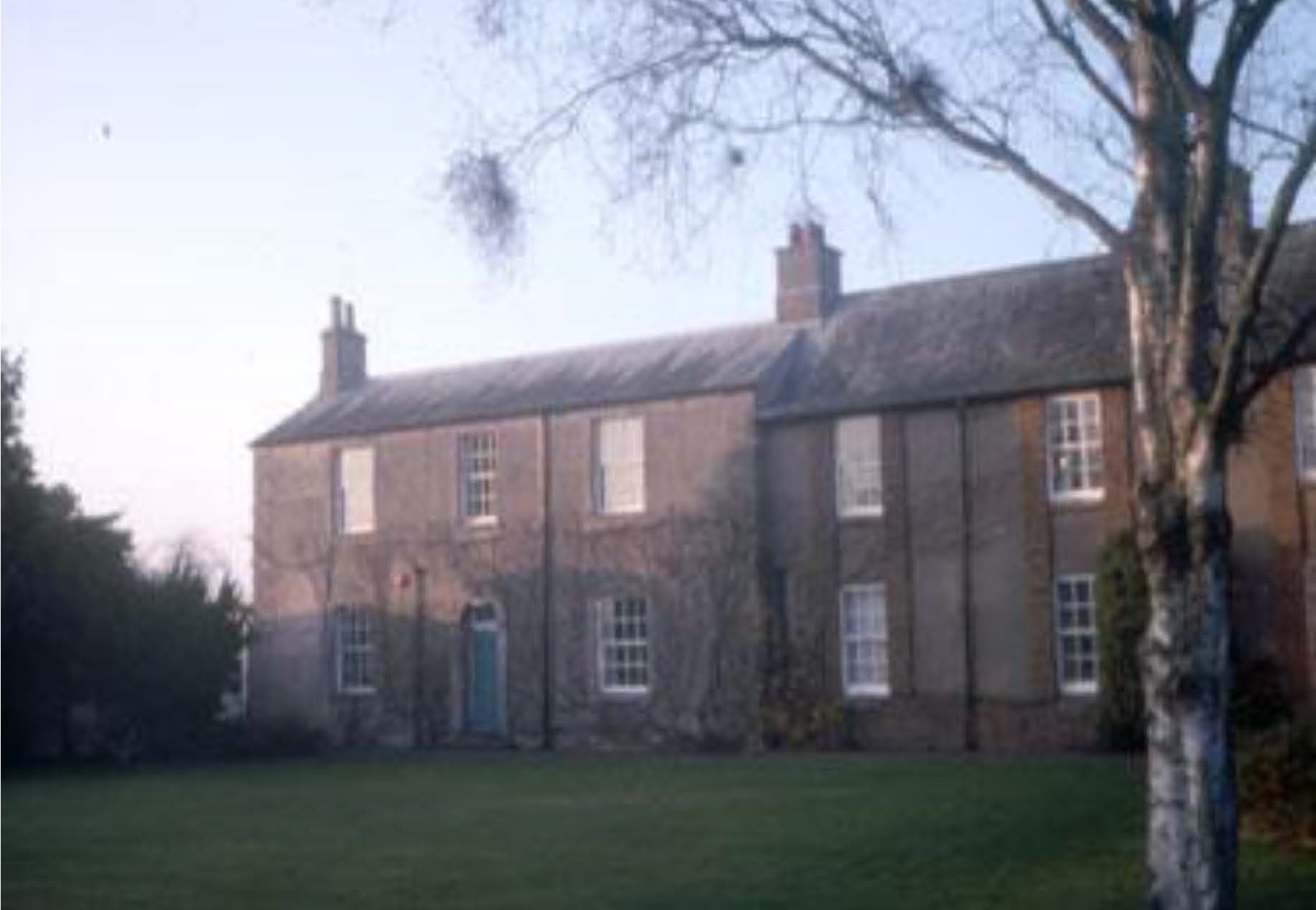
2007 – The University of Cumbria was established joining together St Martin’s College with campuses in London, Ambleside and Lancaster together with the Cumbria Institute of the Arts in Carlisle and the UCLan HE and FE provision, which included Newton Rigg College.
Newton Rigg officially became the Penrith campus of the University of Cumbria.
2008 - A new MSc Forest Ecosystem Management was developed.
The credit crunch and subsequent cuts in government funding saw a review of University of Cumbria provision. Ambleside and Newton Rigg were identified as very costly. The Ambleside campus could not be sold as it was under an educational covenant.
2009 - The portfolio expanded and a new BSc (Hons) Forestry and Woodland Conservation joined the Forestry and Woodland Management and Forestry Foundation courses.
2010 – 2012 - Student recruitment ceased for the Ambleside campus due to escalating costs. The NSF continued to run from Newton Rigg at Penrith.
2011 - The Penrith campus at Newton Rigg was sold to Askham Bryan College. Askham Bryan continued to deliver forestry FE, while HE provision remained at University of Cumbria under the brand ‘The National School of Forestry’.
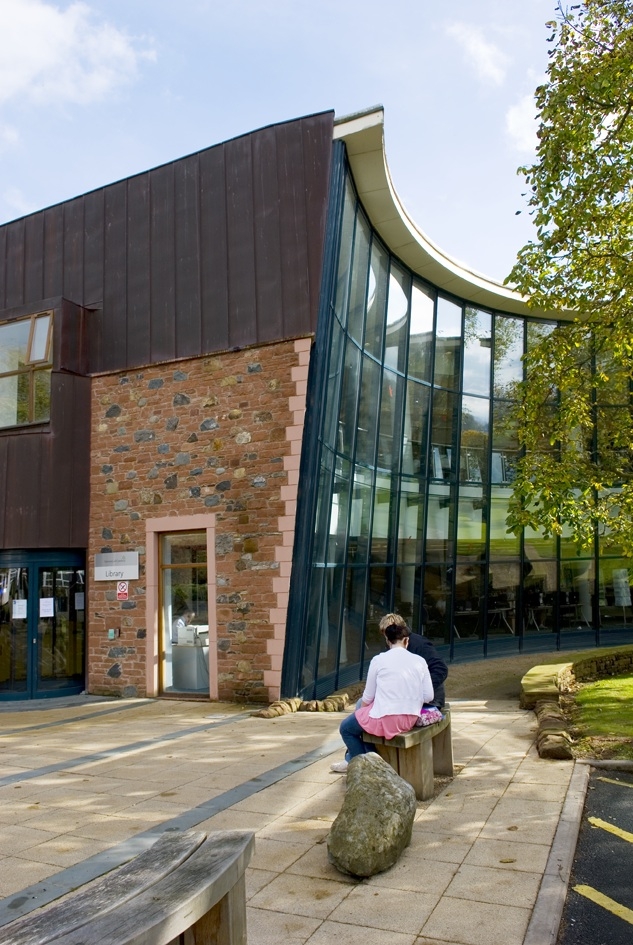
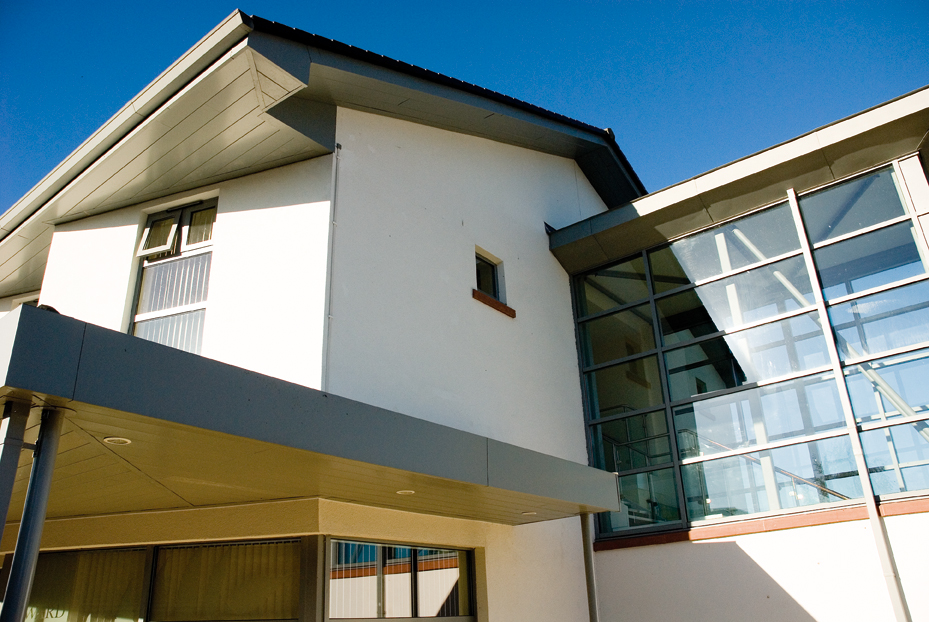
2014 – The Ambleside campus underwent a huge refurbishment, including demolition of 70s and 80s buildings and opening of a new library. Students returned to campus and NSF courses were now officially running from Ambleside.
2021 – A review by Askham Bryan College deemed the Newton Rigg site at Penrith to be financially unviable. They announced that the campus would close in July 2021. The Newton Rigg estate was purchased in partnership by local business A W Jenkinson and the Leo Group. The site is now used for office facilities, including a hotel and sports hall.
The Ernest Cook Trust, an educational charity, purchased Low Beckside Farm. It continues today to operate as a working sheep farm and outdoor learning centre.
2022 – The NSF began delivering the Professional Forester Degree Level Apprenticeship developed as a partnership with the Forestry Commission and the Institute of Chartered Foresters. The course blends academic excellence with real-world practice.
2025 - The first cohort of students graduate from the Professional Forestry Degree Apprenticeship programme. This pioneering programme combines academic study at the Ambleside campus and Forestry England’s 2,500-hectare Cannock Chase estate with hands-on experience in the workplace.
2026 – Today the National School of Forestry is the largest provider of undergraduate forestry and woodland courses in England and Wales. The school has a strong reputation for producing award-winning, professional graduates who now occupy some of the most senior positions in the forestry and woodland sector.
Read more about the history of the NSF here.
Did you study at the NSF? Where do you fit in our timeline? We would love to know what you are up to now... complete our update form here.