
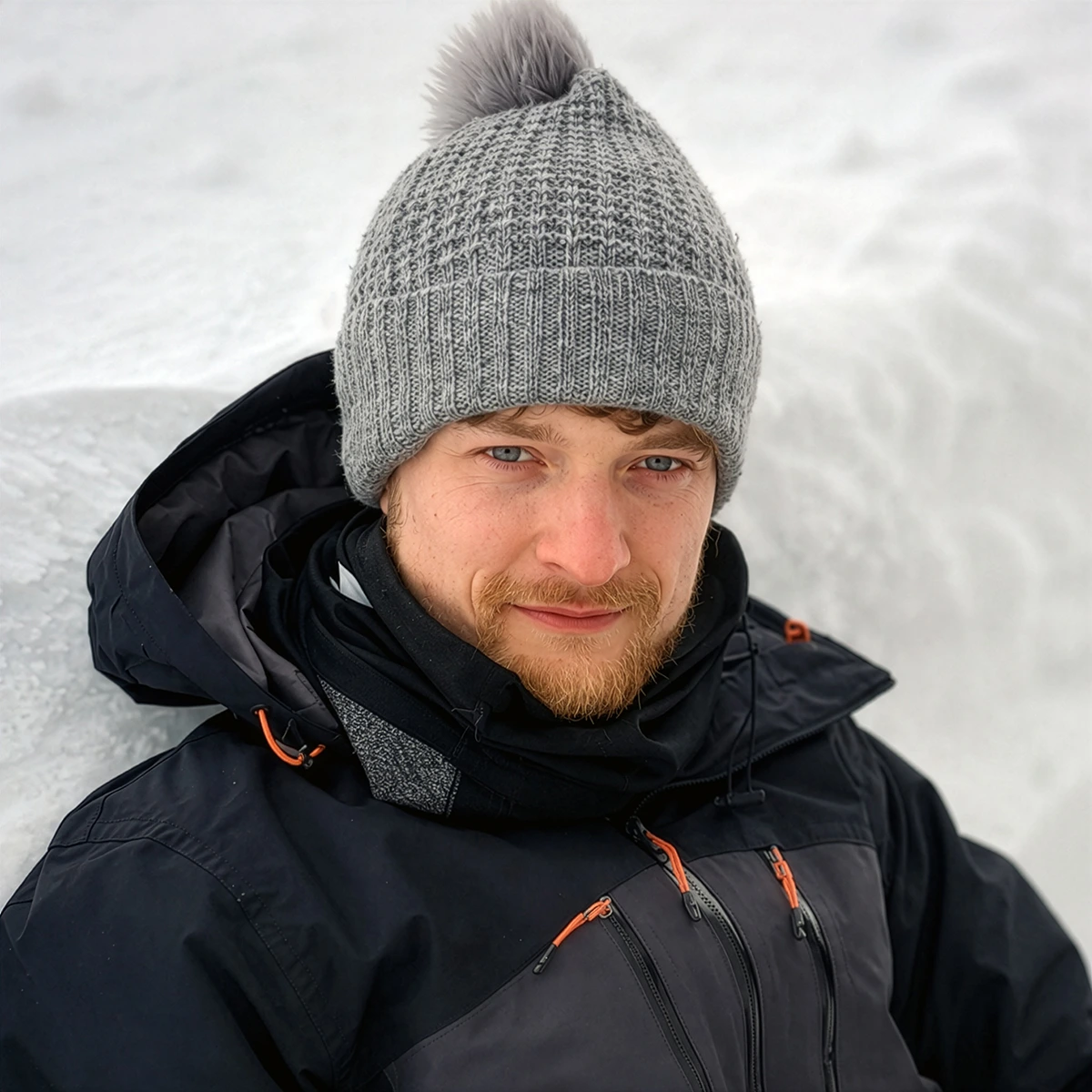
After applying through Clearing in 2025, Aidan began studying BSc (Hons) Occupational Therapy at the University of Cumbria, driven by a personal journey towards improving his health and a holistic understanding of the mind and body. During his first year of study, he has embraced both the challenges and rewards of the course, including a meaningful first placement in a children’s mental health setting.
What degree are you studying at Cumbria and what year did you apply through Clearing? Why did you choose to study your course – what or who inspired you?
I am studying Occupational Therapy, and I applied through Clearing in Summer 2025. My reasons for applying are widespread but are mainly to do with my own personal journey towards improving my health and looking at the body and mind holistically. In conversations about holistic health, Occupational Therapy (OT) is often mentioned; shortly before I applied, I read an interview with an occupational therapist in Gabor Mate’s book ‘The Myth of Normal’, which inspired me.
Could you tell us more about how you came to apply through Clearing? Why did you choose the University of Cumbria?
One of the main reasons I chose the University of Cumbria in Lancaster over other universities is the campus location, because it's such a peaceful place to be. It's very green, very quiet, and it’s out of the main city area. It just appealed to me a lot more than other universities, so I cancelled my other applications.
Did you understand how Clearing worked before you went through the process? If so, what did you know about it?
I understood that the Clearing process was designed to help students apply for any remaining spaces left on university courses, past the initial point of application.
How was your Clearing experience at the University of Cumbria? How did you apply?
I applied online through UCAS and was initially accepted for the foundation year, but I had confidence in my ability to start the course from year one, so I contacted the university directly to go through a process to move onto the undergraduate course. This took two interviews and an essay to achieve, but the university communicated with me very well throughout. I was pleased that they took my situation into account and approved the change.
Do you have any advice for students applying to university through Clearing?
If you're applying through Clearing, the main advice I can give is just do lots of research, both in person and online. Come to the campus, see how you feel – walk around and talk to people. I would also look at the course materials and PDFs to check details like placement hours.
What has (have) been your favourite experience(s) at the University of Cumbria?
My favourite experience so far has also been one of the most challenging, and that was my first placement. With occupational therapy, you can be sent to quite a wide variety of places, and in my case, I was sent to a children's mental health hospital where the patients had been sectioned under the Mental Health Act.
This was extremely challenging because of what you have to see and hear; you see the limitations of what's possible, and as much as you might want to fix and help everyone, you can't.
But the reason it's also my favourite experience is the other side of that. You get to see what can be done to promote their independence and what can be done to make them feel safe, make them feel cared for.
Can you tell us more about your first placement? What did you learn? What was it like?
Because it was my first placement, it was mostly observational. My educator was helpful and understanding, allowing me to grow at the right pace. She understood it was my first placement, so did not push too hard.
Seeing some of the people there was challenging, especially as some had been sectioned for months at a time. I got a taste of how compassion and shared humanity can be used in practice (called ‘Therapeutic Use of Self’ in Occupational Therapy) as well as the strengths and limitations of OT practice in the real world.
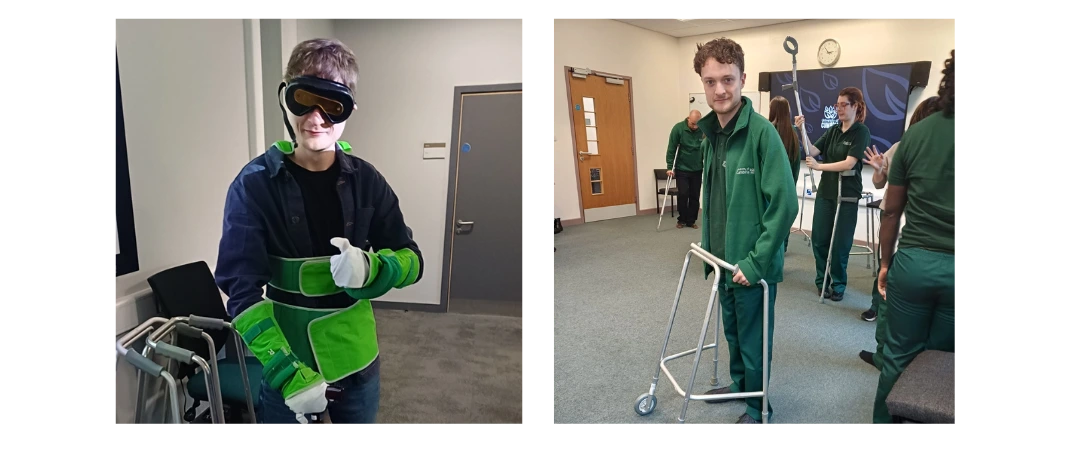
The university prepared us with various theoretical and practical classes beforehand.
 What’s been the most difficult obstacle you’ve overcome in your student journey?
The most difficult obstacle has probably been managing my anxiety during classes and also on placement. Starting a new career path is difficult, on top of mixing with new people and adapting to a new environment, but most people are going to have some level of anxiety.
Adding to that, we all have personal things going on in our lives, so it can be difficult to remain focused when learning. To get through this, I have found it useful to remember that others are experiencing similar things, and importantly, to take care of myself outside of university the best I can (socially, physically, spiritually and emotionally). And also remembering to stay present when I can.
What do you enjoy most about your course?
I enjoy the freedom it offers. The course is not rigid and dry; it has depth and complexity. Even when we are studying scientific concepts and theories, OT can have a way of sounding philosophical.
How is university life beyond your studies?
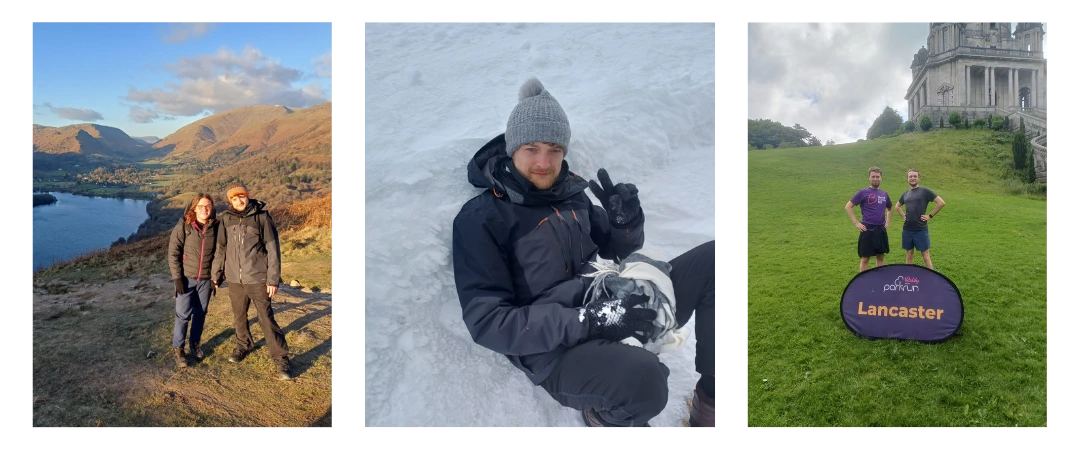
I met my wonderful girlfriend on the course. Lancaster is also surrounded by beautiful walking spots, and we have spent time in the Lake District. I am also interested in learning and growing as a human and doing this through inner work such as therapy and meditation.
Williamson Park is also right next to the campus. I don’t go out drinking, but that has not impacted what I can do in and around Lancaster. The buses are reliable, and I particularly enjoy Heysham, which is where my placement was. It’s just a 20-minute bus ride from Lancaster city centre.
What would be your top tips for people thinking of doing the same course as you?
I would recommend trying to understand what an OT does. But don’t be concerned if it seems confusing or if you can’t get a grasp of the basic concepts – they're all actually debatable concepts, and there are plenty of theories on what an OT can do and how. Maybe watch some YouTube videos of actual OTs explaining their job too, because sometimes, the reality can be very different to the theories or the ideals.
What are your career plans, and how is your course preparing you for your future career?
One of my favourite things about OT is that it’s such a broad subject, so you can actually alter your career direction at any point, even after graduating. You can focus on physical or mental health in a variety of areas. I’m not sure what I want to do yet, but I’m fairly certain it will be in mental health or at least relating to the psychosomatic nature of physical illness.
Find your place in Clearing
Applying to the University of Cumbria through Clearing is a great way to discover new opportunities and find the perfect course for you. Visit our Clearing Hub for more information about our courses, the application process, and your next steps.