
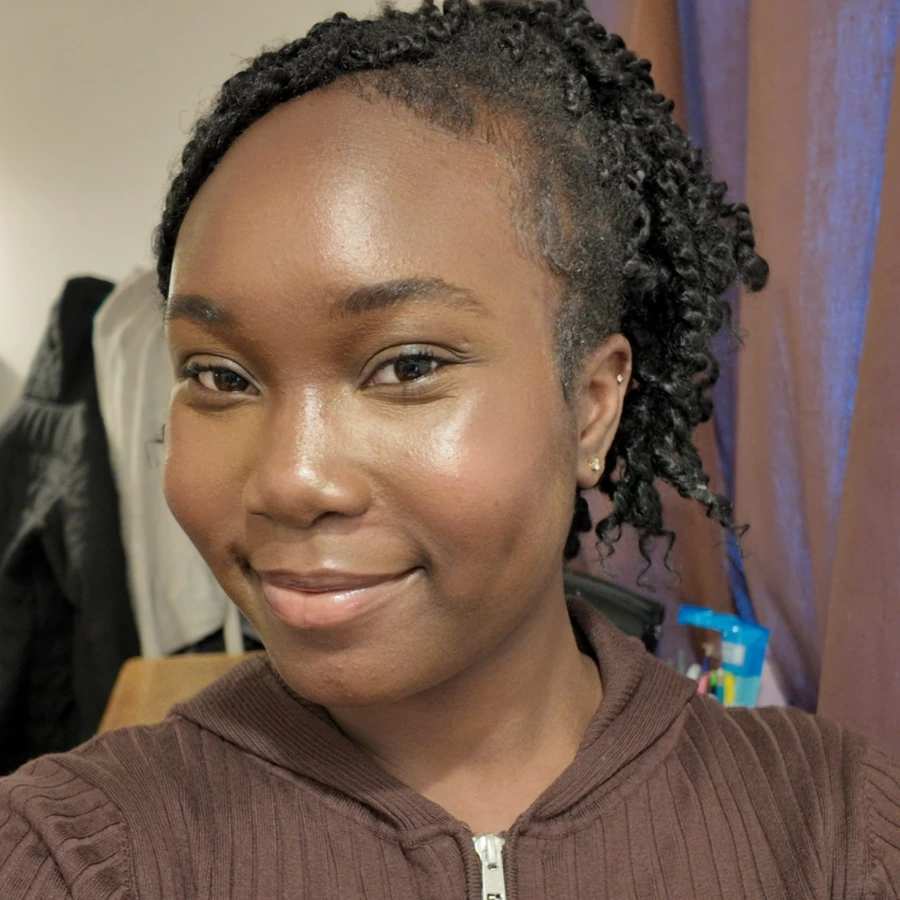
Rukky decided to study Biomedical Science as she’s always loved biology and wanted to understand the science behind modern medicine. She chose Cumbria for its supportive community and approachable environment. After visiting an open day, she knew it was the right fit, giving her the perfect place to grow.
Why did you choose to study your course – what or who inspired you?
I chose to study Biomedical Science because I have loved biology ever since I was young, and this course highlights the ‘behind the scenes’ of medicine, showing its importance. Additionally, it acts as a gateway for so many career pathways.
Why did you decide to join the University of Cumbria?
It seemed like a quiet place to stay as someone who is quite introverted. When I visited during the open day, I was satisfied with the environment, giving a good social balance. Additionally, I did not qualify for student or maintenance loans, so affordability was important to me, and Carlisle is a great place and quite affordable.
What has been your highlight at university?
The personal tutor meetings were a highlight for me. It was really nice to catch up with one of my lecturers regularly. I was asked about my well-being in general, future plans, and how I’ve been coping with my assignments.
How would you describe the University of Cumbria?
I would describe the University of Cumbria as calm and student-centred. When I speak to other students at other universities, I realise how many resources are provided to us.
Did you join any societies, clubs, or groups at the university? What’s that experience like?
Yes, the Biomedical Science Society, which was formed around the start of my last year. The first meeting was great - food and entertainment were provided. Also, although I wasn’t a part of this society, I was invited to the ‘Iftar event’ from the Islamic Society. It was packed with multicultural foods, and a question-and-answer session was held where people of different faiths asked questions. It was so educational.
What is your favourite thing about living in Carlisle?
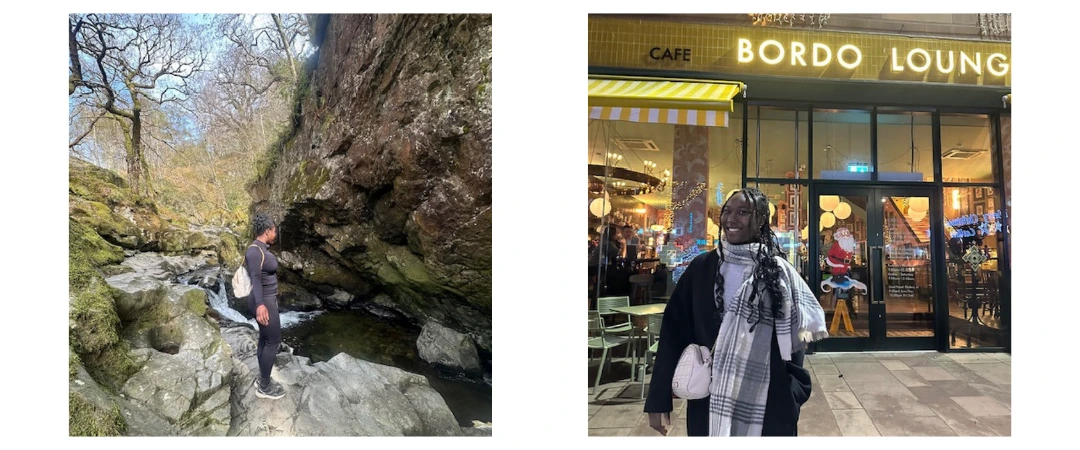
Everything is so close to each other – my university accommodation, shops, the town centre. It made going out a lot easier, especially on rainy days when I usually had zero motivation. Also, sightseeing became common for me as Carlisle has a lot of history, and places like the Lake District were not so far away.
Have you had any opportunities for work placements, volunteering, or part-time jobs during your studies?
When I started university, I didn’t have a paid job, so I started volunteering, which involved providing mental support for unpaid carers. This role boosted my communication, initiative, and empathy a lot. Then during second year, I got my first ever paid job as a customer assistant. This job also helped to boost my communication skills, but mostly my teamwork, prioritising, and budgeting skills, helping me to pay for my driving lessons.
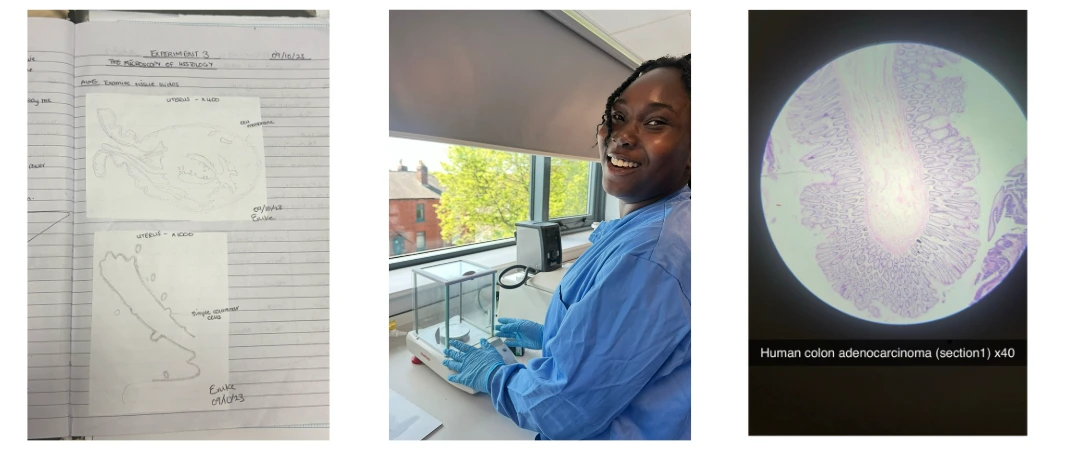
During my second year, I also had three days of work experience in the hospital laboratory, thanks to our lecturer, which was incredibly insightful. Additionally, I had one day of work experience in the hospital at the ophthalmology department, which was also insightful. All these skills are highly transferable to whatever role I may potentially apply for in the future.
What support services have you found helpful, whether for academic, mental health, career guidance or any other support received?
I had a lot of career preparation sessions, including practice interviews and guidance about progression. This was so important to me as there can be a lack of information regarding careers in the field, especially around accreditation and the mandatory portfolio registration. My lecturers made sure to inform us about this and what to do after graduation to get us into our desired roles. This included having sessions outside of lectures where NHS staff were invited and helped us with questions that may be asked in interviews. Because of this, I was successful in getting a job in the hospital laboratory.
In addition to academic and career support, the general student support at the university was also great. One of my personal favourites was the gym fee of £25 a year for students. I utilised this every year and it was amazing – I only wish I had used it more!
What advice would you give to your first-week self or to students thinking about joining the university?
Firstly, start your assignments early. It may feel like ages until it’s due, but we have that time for a reason – I wish I had used mine. Secondly, use the services provided, such as help with reading assignments and receiving feedback before submission. Thirdly, go out and explore. The best thing is you don’t have to spend lots of money, especially with the amazing environment in Cumbria. And lastly, try to eat well, exercise, and save some money, as poor diet can greatly affect your studies and overall well-being. After graduation, a lot of people may move into their own place and face unexpected bills, so saving is essential.
What are your plans after graduation, and how is the University of Cumbria helping you achieve those goals?
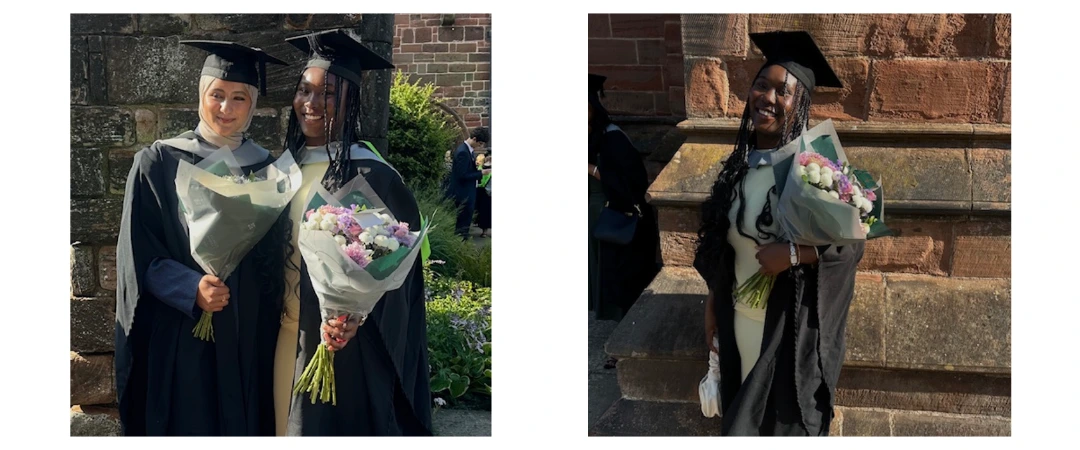
My initial plan was to do a master’s straight after graduating, but I decided to go with plan B, which was getting a job in the lab. Thanks to my lovely lecturers, I managed to achieve that.
Learn more about our Science and Conservation courses at the University of Cumbria.