{"available": "entirely", "availability": {"status": {"Recruiting Status 26/27":"RP 26/27","Recruiting Status 27/28":"RP 27/28","Recruiting Status 25/26":"RP 25/26"}, "dates": [{"name":"September 2026","month":"September","year":2026},{"name":"September 2027","month":"September","year":2027},{"name":"September 2025","month":"September","year":2025}]}}
PgD
-
Medical Imaging
If you're aiming to work in medical imaging, then you'll want to gain valuable imaging techniques using up-to-date medical equipment. That's where we come in. Our excellent reputation for medical imaging training extends across the world, with courses designed to demonstrate academic ability as well as clinical proficiency. We'll help you develop in your role within medical imagine, gaining confidence and competence as well as critical evaluation skills.
Our Medical Imaging Laboratory is equipped with the latest industry-standard medical imaging workstations, allowing you to develop practical experience that will help you in finding future employment. We use Adobe Photoshop™ and other bespoke scientific packages such as 'Somisoft' specifically for image analysis, meaning you get to work with top quality programmes to make your training go as smoothly as possible. You'll learn everything you need to go into the world of medical imaging, so make sure you get the right level of training by taking this intellectually stimulating course.
Students will be supported in developing their skills to become autonomous practitioners, who are able to undertake advanced practice safely. The development of critical, analytical and evaluative skills and incorporating these into the clinical environment, encouraging evidence based practice will be a fundamental part of the course.
On this course you will...
To prepare students for the next stage in their careers and improve their employability by developing their understanding and clinical expertise in the theory and application of Advanced Practice for Medical Imaging in their chosen domain.
To facilitate and support effective learning and develop students’ abilities to reflect on their professional practice so that they will continue as independent practitioners with a commitment to lifelong learning, scholarship and research.
To ensure students have a comprehensive knowledge base and a critical awareness of current problems and/or new insights, much of which is at, or informed by, the forefront of their area of professional practice.
To ensure the students understand the role and responsibilities of mentorship in the clinical setting and are able to critically analyse and evaluate theories of learning and teaching and contemporary approaches to mentorship to facilitate learning within practice-based settings.
To ensure the student has the skills to critically analyse and evaluate the principles of assessment and apply these to learners in practice settings with consideration to accountability and responsibility with reference to your professional code.
To ensure the student has the skills to critically discuss the application of evidence-based practice and leadership skills in mentorship using a reflective approach.
The Medical Imaging programme aims to develop a variety of health professionals with roles in imaging modalities such as ultrasound, magnetic resonance imaging (MRI) and general Advanced Practise for Radiographers.
Compulsory modules
Commenting skills for Radiographers Appendicular + Axial Skeleton
Commenting skills for Radiographers Chest
Contemporary Mentoring and Assessment in Diverse Clinical Environments
Negotiated Learning in CPD Medical Imaging 2 (Single Weighted Module)
Research Methods in Medical Imaging
Leadership
Teaching & Assessment
How you will learn
The programme and modules are structured to meet the needs of students and employers. Taught components of the academic modules on the programme are delivered in attendance blocks at the university followed by clinical learning blocks in the designated clinical placement. Students are supported on placement by experienced mentors who have been trained by the university. Students are also able to access UoC digital resources, library facilities, Pebblepad and Blackboard (VLE), whilst on placement. Students will also be supported by their personal tutor, who is a member of the academic team at the university. The clinical aspects of the programme are documented in the students’ clinical e-portfolio and it is a requirement of the programme that students take ownership of this portfolio throughout the programme in line with professional requirements to maintain lifelong learning and to monitor and ensure clinical progress and competence. Learning is based within academic study and professional practice, and the programme team collaborates with experienced clinical ultrasound practitioners. These practitioners perform key roles in helping to maintain the currency and relevance of the programme through their involvement in curriculum planning and delivery as well as providing mentorship support for students during placement blocks.
How you will be assessed
Learning and assessment are considered as interrelated, as the assessments enable students to demonstrate the extent to which they have achieved the learning outcome of modules and the programme of study overall. Students are supported throughout the assessment process. There are extensive opportunities within the clinical sphere, evidenced within the assessments in the form of reflective practice, for students to engage with inter-professional learning. Examples of how this might be achieved are: through other imaging modalities/radiology reporting sessions within an imaging department or reflective practice based on working with the multi-disciplinary team (MDT) on clinical placement. A wide range of assessment methods are used which are clinically relevant and aligned to programme and module level learning outcomes. Intellectual, professional and key transferable skills are central to learning opportunities and assessment. Successfully undertaking modules on this programme will enhance opportunities for students in their professional careers.
Overview
1st or 2nd class honours degree.
Students with other qualifications may be admitted to the course, please contact the Enquiry Centre for further details.
For information about Medical Clearance and vaccination requirements (including Covid-19 Vaccines) click here.
Fees & Funding
Tuition Fees
UK Tuition fees
£9,000 Entry in 2025/26
£9,240 Entry in 2026/27
International Tuition fees
£10,986 Entry in 2025/26
£11,568 Entry in 2026/27
The figures above don't include accommodation and living costs.
Tuition fees are set annually and are subject to review each year. The University may therefore raise tuition fees in the second or subsequent years of a course, in line with inflation and/or the maximum permitted by law or Government policy. Students will be notified of any changes as soon as possible.
International Finance
At the University of Cumbria, we offer affordable tuition fees for international and EU students looking to study at one of our main four campuses. No matter your choice of course or career path, our International Team is here to support you.
We have a wide range of scholarships, bursaries, grants and funds available to support you throughout your studies with us. This includes the Cumbria Bursary - a non-repayable bursary designed to support first year students with a household income of less than £25,000..
You should budget for stationery and consumables for personal use. These may include notebooks, pens and pencils, digital storage devices, printing and photocopying. The amount you spend will depend on your study preferences.
Required
·
One-off
·
Checks, clearances and health requirements
An Enhanced Disclosure and Barring Service (DBS) check is required before you start placements. The Entry requirements section for your course shows which barred lists the check covers.
Approximately £50 to £300 over the course of your studies
Optional
·
Throughout the course
·
Books and journals
Most core textbooks and journals are available through the University library. You may choose to purchase personal copies of books or other resources used to support your studies.
Some courses recommend particular books or provide an estimated annual budget for purchasing personal copies. Search for your course below for details.
Technology requirements
Cost depends on the equipment and internet service you choose
Required
·
Throughout the course
·
Digital learning and IT
You will need regular access to a laptop or computer capable of accessing the internet and running software such as a word processor and Microsoft Teams. Microsoft 365 is provided as part of your studies. You will also need a reliable internet connection. The amount you spend will depend on the equipment and internet service you choose.
You will need to pay for travel to and from your placements. Placement locations vary, and a placement arranged by the University may require additional travelling time. The amount you spend will depend on the placement location and your chosen method of transport.
You may be eligible for financial assistance towards some placement travel or subsistence costs. Any assistance available will depend on the scheme and eligibility criteria in place at the time of your placement.
Cost varies depending on the placement location and your chosen method of transport
Required
·
Per placement
·
Travel and accommodation
You will spend a substantial part of your course on practice placements. Placements may be located across a wide geographical area, and you may need to travel for up to 90 minutes by public transport or car. You are responsible for the cost of travelling to and from placements, including any parking charges. The amount you spend will depend on the placement location and your chosen method of transport.
Required
·
Throughout the course
·
Travel and accommodation
You are responsible for travel costs associated with community-based activities and placements. The amount you spend will depend on the location and your chosen method of transport.
UBFCUOCOCCTP0
UBFCUOCPHYTP0
PMFCUOCPHYSP0
Travel and accommodation for placements
Costs can be several hundred pounds and may occasionally exceed £1,000 per year
Required
·
Per year
·
Travel and accommodation
You are responsible for paying the initial costs of travelling to and from placements. Depending on the placement location, you may also need to pay for temporary accommodation. Costs vary according to the location, distance travelled, duration of the placement and your chosen travel and accommodation arrangements. Placement costs can be several hundred pounds and may occasionally exceed £1,000 per year.
Support and reimbursement
You may be able to claim reimbursement for eligible placement travel and accommodation costs. Reimbursement arrangements and eligibility criteria may change, and reimbursement may not cover the full amount you spend. You should be prepared to pay placement costs before receiving any eligible reimbursement.
Travel and accommodation for campus attendance and placements
Cost varies depending on where you live and how often you need to attend
Required
·
Throughout the course
·
Travel and accommodation
Part-time students are usually employed by their sponsoring placement. You will need to pay for travel to and from the University and, if required, accommodation for academic blocks and required campus attendance.
Support and reimbursement
Students on these courses are usually employed by a sponsoring placement. Check with your employer or sponsoring organisation whether any travel or accommodation support is available.
Remote placements may require additional arrangements for placement visits or assessment. Any potential charges should be confirmed with the course team before publication.
UBFCUOCSPORH0
UBFCUOCSPORH3
Travel and accommodation for placements
Costs vary and may be up to approximately £300
Required
·
Per placement
·
Travel and accommodation
You need to complete at least 400 hours of vocational placement for BASRaT accreditation. Where possible, term-time placements are local and within reach by public transport, but some may be further away, not reachable by public transport, or need overnight accommodation. Your Placement Coordinator will discuss these with you.
Required
·
Throughout the course
·
Clothing and uniform
You'll spend a lot of time in the field, so you'll need weatherproof clothing, including a waterproof coat and trousers, sturdy walking boots, a rucksack (ideally with a waterproof cover) and plenty of warm outdoor layers. You may also want a flask and lunchbox for days out in the field.
Required
·
Throughout the course
·
Clothing and uniform
Essential kit includes a waterproof jacket and trousers, walking boots, well-fitted wellington boots, a warm hat and gloves, a day rucksack (ideally with a waterproof cover) and other outdoor clothing such as thermals, fleeces, walking trousers and socks. You may also want a flask, water bottle, lunchbox and your own binoculars for field trips. Many outdoor shops in Ambleside offer student discounts, so you may prefer to buy some items after you arrive.
Cost varies depending on your placement and attendance requirements
Conditional
·
Variable
·
Travel and accommodation
You may need to pay for travel to placement and to the University campus, including parking, and for accommodation at placement or on campus if required.
UBFCUOCPHYTP0
PMFCUOCPHYSP0
Replacement or repeat DBS checks
Cost of a new enhanced DBS check
Conditional
·
Variable
·
Checks, clearances and health requirements
You will need to pay for any additional DBS checks, for example if you lose your certificate, if you suspend your studies for a year or more, or if a placement provider asks for a new check because your certificate is more than a year old.
Approximately £120 to £300, depending on your course
Required
·
One-off
·
Clothing and uniform
You will need appropriate trainers and University sports kit for practical sessions and placement. Kit includes a polo shirt, Dri-FIT t-shirt, long-sleeve top, shorts and straight or slim-fit tracksuit bottoms. You will receive information about buying it before your course starts. On some courses this budget also covers equipment such as a model skeleton or portable massage plinth.
You will practise clinical skills on each other in university sessions, so you will need loose, comfortable clothing that keeps you covered, such as tracksuit or jogging bottoms or shorts, a plain polo shirt, t-shirt or vest top, and trainers or shoes with non-slip soles.
Your placement uniform is provided. If you need additional or replacement items, you may have to pay for them, depending on the reason they are needed.
UBFCUOCDIARA0
PMFCUOCMDIUL0
Placement footwear
Approximately £20 to £40 or more
Required
·
Throughout the course
·
Clothing and uniform
You need to buy your own placement footwear. Sensible, plain black, comfortable and supportive flat shoes are suggested, and your placement Trust's uniform policy will give further guidance. You may need to replace them during your course, and you may want separate footwear for the theatre environment.
UBFCUOCMDWFR0
PMFCUOCMDWFR0
Clothing and equipment for clinical practice
Approximately £200 to £300
Required
·
Throughout the course
·
Clothing and uniform
Uniform tunics and trousers are provided by the University. You will need plain black socks, plain black cardigans or jackets, plain black flat shoes and a fob watch for clinical practice.
UBFCUOCCRFIN0
UBFCUOCCRFIN3
Laboratory coat
Approximately £15
Required
·
One-off
·
Clothing and uniform
A laboratory coat is required for practical activities.
Optional
·
Variable
·
Professional membership and registration
You may wish to subscribe to nursing journals such as Nursing Times or Nursing Standard. You will need to fund any monthly or annual subscription yourself.
British Association for Counselling and Psychotherapy (BACP) student membership
£92 per year (2025/26 fee)
Required
·
Per year
·
Professional membership and registration
Student membership of the British Association for Counselling and Psychotherapy (BACP) is needed for your course. The fee is subject to an annual increase.
UBFCUOCPSYCH0
UBFCUOCPSYCH3
British Psychological Society (BPS) student membership
£26
Optional
·
Per year
·
Professional membership and registration
You may choose to join the British Psychological Society (BPS) as a student member.
ULFCUOCLAWCR0
ULFCUOCLAWCR3
Student Law Society membership
Currently £5
Recommended
·
Per year
·
Professional membership and registration
Membership of the Student Law Society is optional but recommended.
Required
·
Throughout the course
·
Digital learning and IT
Parts of this course are taught online, so as well as a laptop or computer you will need a webcam, microphone and speakers or headset, and an internet connection good enough for live video calls.
Approximately £250 to £750 per conference, including fees, travel and accommodation
Optional
·
Variable
·
Other
You may choose to attend conferences that are not part of your course. Costs depend on the length of the event, the venue and the accommodation you choose. Many conferences are free for students.
USFCUOCSPEXT0
UBFCUOCSPORH0
UBFCUOCSPORH3
Conference attendance
Approximately £50 to £150, including fees, travel and accommodation
Optional
·
Variable
·
Other
You may choose to attend conferences that are not part of your course. Costs depend on the length of the event, the venue and the accommodation you choose. Many conferences are free for students.
UBFCUOCSOCWR0
PMFCUOCSOCWR0
Conference attendance
Approximately £50 to £150, including fees, travel and accommodation
Optional
·
Variable
·
Other
You may choose to attend a conference that is not part of your course. Costs depend on whether it is a one-day event or you stay overnight, the venue and the accommodation you choose.
In Year 2 you can arrange a four-week elective placement within the UK. You will need to fund this yourself, and the cost depends on the location.
UBFCUOCPSYCP0
PMPCUOCCOUPS0
PKPCUOCCOUPS0
External clinical supervision
Usually £30 to £60 per hour
Required
·
Variable
·
Other
While you are in supervised practice you need regular clinical supervision with an approved supervisor: at least 90 minutes each calendar month, with more if you exceed 12 hours of client sessions in a month. On the MA and PgD this runs from shortly before supervised practice begins (around March or April of Year 1) until it ends.
UBFCUOCPSYCP0
PMPCUOCCOUPS0
PKPCUOCCOUPS0
Personal counselling or psychotherapy
Usually £30 to £50 per hour
Required
·
Variable
·
Other
You must complete at least 10 hours of personal counselling or psychotherapy during the course.
UBFCUOCPSYCP0
PMPCUOCCOUPS0
PKPCUOCCOUPS0
Professional indemnity insurance
Approximately £50 to £70 a year
Conditional
·
Per year
·
Other
If the insurance at your supervised practice setting does not cover you, you will need to arrange and pay for your own professional indemnity insurance while you are in supervised practice.
UBFCUOCPSYCP0
PMPCUOCCOUPS0
PKPCUOCCOUPS0
Supervised practice travel and recording equipment
Cost varies
Required
·
Throughout the course
·
Other
You will need to pay for travel to and from your supervised practice setting, and for audio recording and playback equipment.
PMPCUOCCOUPS0
PKPCUOCCOUPS0
Year 1 training residential
Approximately £250 (2025/26)
Required
·
One-off
·
Field trips
· Year 1
The Year 1 training residential is a core part of the course and attendance is required. You are responsible for your own travel to the venue; students often car-share to keep costs down.
UBFCUOCPSYCH0
UBFCUOCPSYCH3
Travel for study with a local prison
Approximately £60 to £100
Optional
·
One-off
·
Travel and accommodation
· Year 1
If it is available to your year group, you may choose to study alongside prisoners from a local prison. You will need to pay for travel for 6 to 10 trips; students usually car-share to keep costs down.
UBFCUOCPSYCH0
UBFCUOCPSYCH3
BPS-accredited psychometric training
Approximately £400 to £600
Optional
·
One-off
·
Other
· Year 1
You can choose to take BPS-accredited psychometric training in ability and personality testing, at around a third of the usual cost. It is separate from your degree.
SCCOLPRLMT
SCLANCSCAS
SCTREFARAFE
SCFRALARES
Travel to campus and site visits
Cost varies depending on where you travel from
Required
·
Throughout the course
·
Travel and accommodation
You will need to arrange and pay for your own travel to the Ambleside campus, in-person sessions and field or site visits.
The institute pays for field trips and provides any personal protective equipment (PPE) you need.
Optional field trips
Cost varies
Conditional
·
Per trip
·
Field trips
Some optional field trips may involve additional costs.
Society membership
Cost varies
Optional
·
Variable
·
Professional membership and registration
You may choose to join relevant societies or professional organisations.
Travel to radiography placements
Cost varies depending on your placement location and travel arrangements
Required
·
Per placement
·
Travel and accommodation
You are responsible for costs associated with travelling to and from your allocated placement base. You may also need to travel between different sites within the NHS Trust where you are placed. The amount you spend will depend on the placement location, the sites you attend and your chosen method of transport.
Support and reimbursement
Some eligible placement travel costs may be reimbursed under the placement expenses policy. Reimbursement arrangements and eligibility criteria may change, and reimbursement may not cover the full amount you spend. You should be prepared to pay travel costs before receiving any eligible reimbursement.
Location
Lancaster Campus
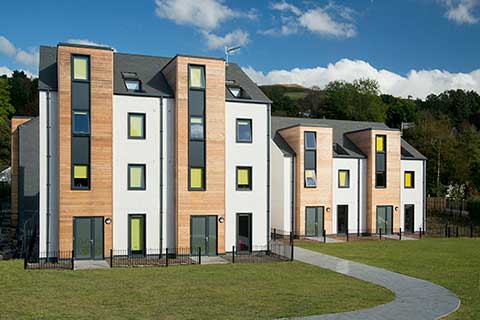
Lancaster is the Red Rose heartland, a student haven full of history and culture. With iconic stone architecture, parkland, and a caring community, this is the place to get involved. The campus houses top-quality facilities tailored to the needs of life-savers, world changers, and future leaders.
An Open Day is your opportunity to explore one of 5 campuses, meet your lecturers, and find out how the University of Cumbria could become your new home.