How you will learn
Learning on this course is blended and most modules will have an element of live virtual tutorial type sessions using Blackboard collaborate or Microsoft teams, which you will be expected to engage with a range of learning opportunities and activities. You will need a suitable laptop or pc with speakers and a webcam and adequate internet access/broadband speed to work remotely on-line. Some modules may also have a campus based clinical skills, and reversed classroom, elements to the teaching.
The delivery of your modules may vary from tutor to tutor, module to module, so please follow the guidance of your module leader and the information provided within the relevant module blackboard site.
You will learn through group activities, lectures, practical work, seminars, self-directed study and simulation activities.
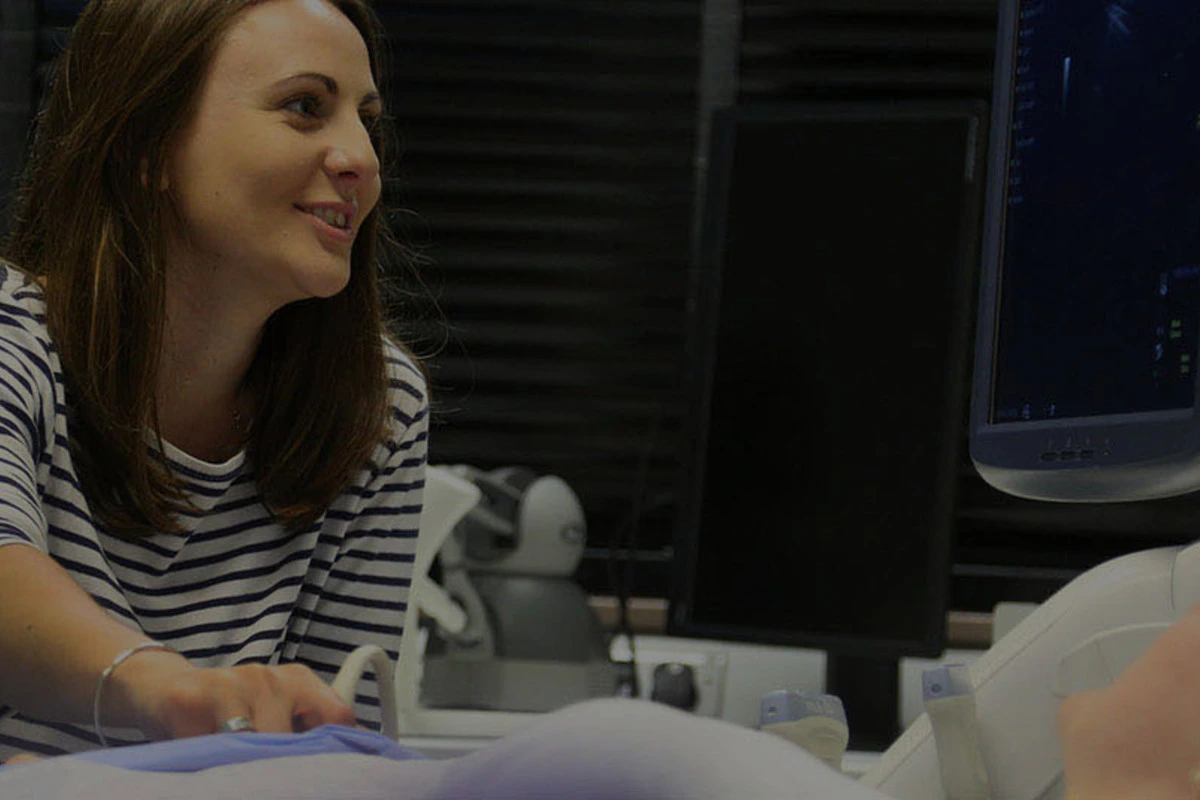
Practical ‘hands-on’ skills development will be supported by access to a state-of-the-art ultrasound simulation suite and a fully equipped ultrasound room in our clinical skills suites.
There is further information related to on-line study here on our website which you may find helpful:
https://my.cumbria.ac.uk/student-life/learning/resources/studying-from-home/online-learning/
How you will be assessed
A range of assessment methods are used to ensure that all intended learning outcomes are met. These include written assignments, unseen online OSE examinations, computer-based assessments, formative and summative clinical assessment and image viewing examinations. All assessments are linked explicitly with real-world tasks that would be expected of an autonomous ultrasound practitioner.
You may be assessed in various ways including:
Assessment of clinical placements is a requirement of the qualification; you will be assessed to ensure you are clinically competent before you can receive the award.
Career Outcome
On successful completion of all core and mandatory elements, you will be able to provide evidence of preparation for practice to the standards required for a first post-qualification sonographer. From consultation, key service partners have confirmed that this would allow appointment of graduates in most regional NHS contexts. However, applicants from a non-health care background should note that, at present, employment in some NHS trusts would not be possible due to the requirement for professional registration. These potential restrictions on employment will be discussed with you during the application process and you will be asked to sign a memorandum of agreement confirming your understanding and acceptance.
At present, sonography is not a registrable health care profession. on successful completion graduate entrants (who do not hold an existing registrable qualification) will not be eligible for HCPC registration. In collaboration with CASE and the Society and College of Radiographers, this course has been mapped closely against existing HCPC standards of proficiency for diagnostic radiographers.
On completion you will be able to apply for registration through the Professional Standards Authority (PSA) with the register of clinical technologists. details of the application process can be found on their website: https://www.professionalstandards.org.uk/home
UK CASE accredited ultrasound awards are recognised both nationally and internationally. When developing the course, we have worked closely with regional and national stakeholders to ensure that when you graduate you will be well prepared to work as an autonomous ultrasound practitioner within your chosen specialties.