How you will learn
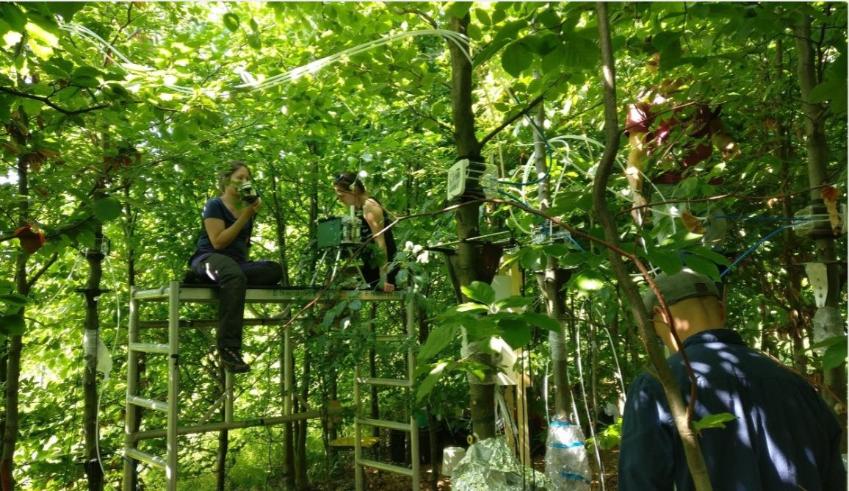
The IoSE has built a strong international research portfolio in areas such as outdoor experiential learning, climate change impacts, biodiversity monitoring, wildlife conservation, community resilience, land management, and ecosystem evaluation. This research foundation ensures that the programme’s teaching is driven by the latest scientific knowledge and contemporary environmental challenges, offering you a rich academic perspective alongside practical, hands-on experience.
The emphasis on experiential learning ensures that theoretical knowledge is complemented by real-world applications. The programme blends theory with practice in a way that is both inspirational and directly applicable to the forestry sector. The programme uses a wide range of teaching methods to equip you with the concepts, knowledge, and professional skills necessary for modern forestry.
Traditional learning methods such as lectures and seminars are integrated with experiential approaches like field-based case studies and experimental research projects, allowing you to engage deeply with live forestry projects.
Teaching and learning methods include: ·
- Lectures: Provide foundational knowledge in key topics. ·
- Seminars, Workshops, Presentations, and Discussions: Facilitate interactive learning, where you can engage with complex issues and contribute to discussions. ·
- Individual and Group Tutorials: Offer personalised academic support and opportunities for deeper exploration of subject matter. ·
- Use of Case Studies: Provides practical examples of forestry issues, enabling you to understand methodologies, analyse results, and develop arguments. ·
- Project Work (Individual and Group): Encourages independent research and collaborative problem-solving. ·
- Fieldwork and Visits: Forms a core part of the learning experience, giving you the opportunity to apply theoretical concepts in real-world environments
How you will be assessed
The overarching consideration is to provide assessments, which develop your skills and knowledge while equipping you for postgraduate employment. Assessments will therefore often mirror the type of work you will encounter in your future career and may include:
- Field projects
- Computer-based assessments
- Problem solving activities
- Critical analysis of case studies
- Oral, audio-visual and poster presentations
- Dissertation
- Peer and self-assessment
- Group work
Career Development Pathways
Your programme is designed to provide you with the skills and knowledge that will enable you to become an expert consultant or adviser in a specific aspect of forestry. Our graduates are highly successful in finding forestry employment as managers, supervisors and research scientists. An exciting future awaits you, being an expert in forest science will give you the prospect of contributing to society through your career in numerous ways. For example, protecting biodiversity is increasing recognised as essential to our own survival on the planet, and increasing our understanding through research of how that biodiversity benefits us, through ecosystem services is an expanding field of study. Woodlands need to adapt to the impacts of anthropogenic climate change and experts in forest science can help them do this.
Perhaps most importantly of all, researchers and managers are needed to help trees, woods and forests combat climate change through their mitigation potential. You are increasingly being expected to understand the best ways to maximise how trees remove carbon dioxide from the atmosphere through net photosynthesis, how they can store the greatest amount of carbon in their ecosystems, especially in the soil, and how wood products can substitute for higher carbon footprint materials to give a carbon substitution effect. Our future depends on our capacity to combat climate change, arguably the greatest challenge of our times, but because managing woodlands is one of the only ways of actually removing some of our greenhouse gas emissions that are already in the atmosphere, you will have vital expertise to offer as practitioners, researchers, teachers and policy makers in your future career.