How you will learn
Modes of delivery within the programme depend ultimately on module content and academic aims, although most learning and teaching within the programme will be conducted through seminars. The latter encompasses informal tutor input, whole and small group discussion, interaction with peers, close textual study, and directed tasks.
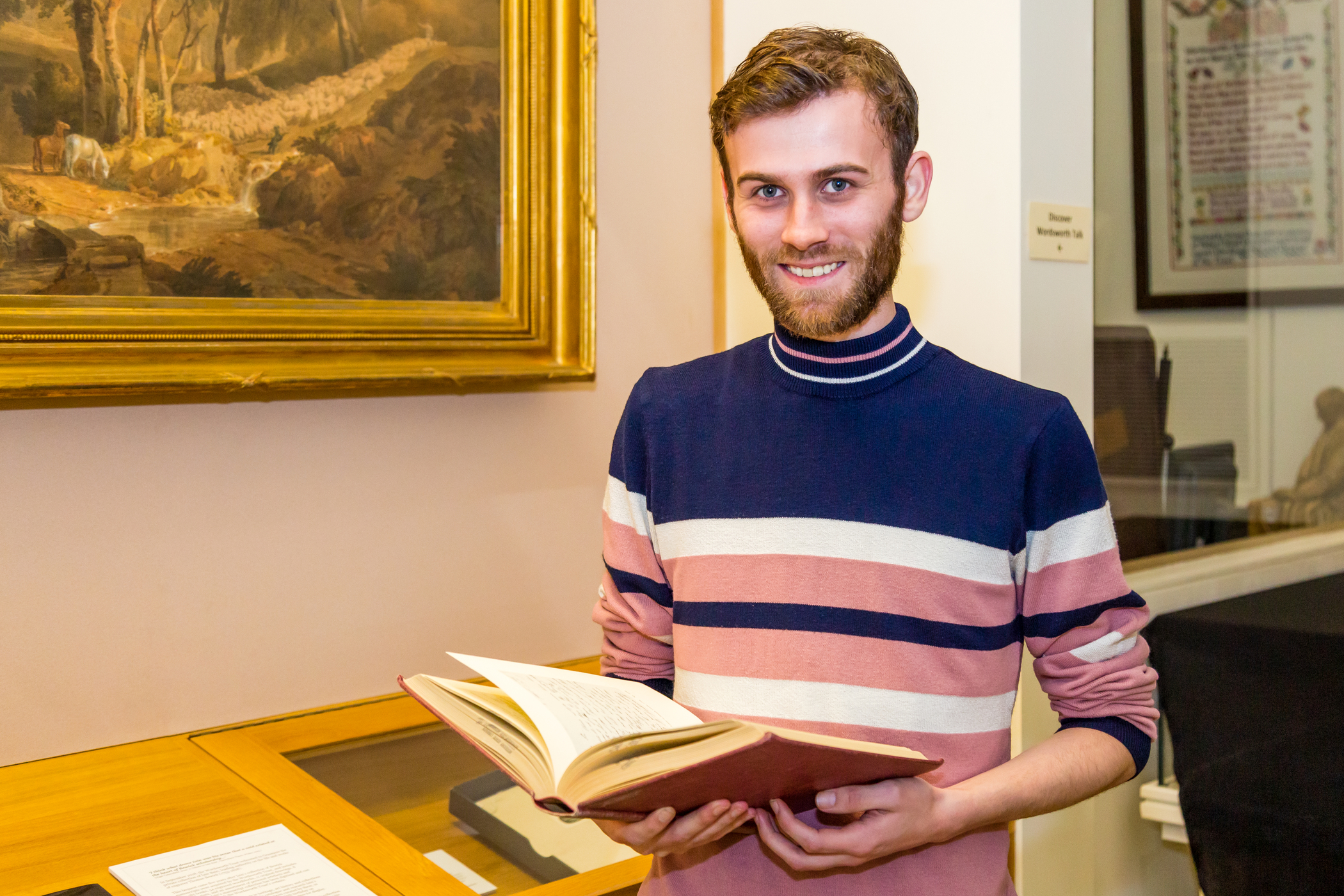
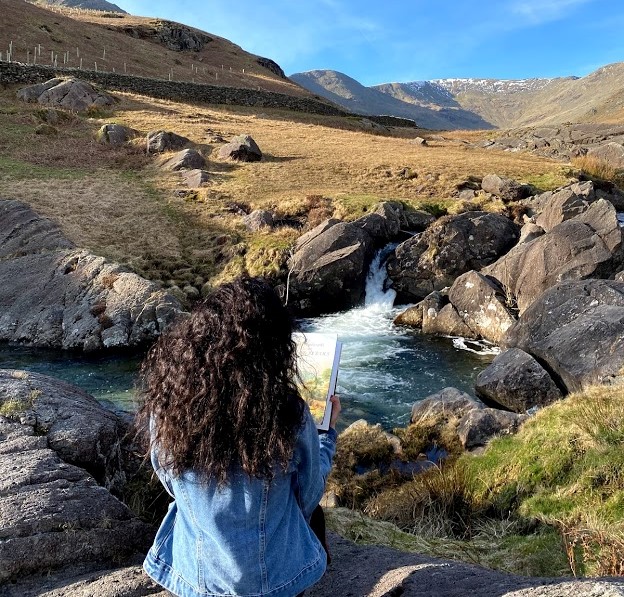
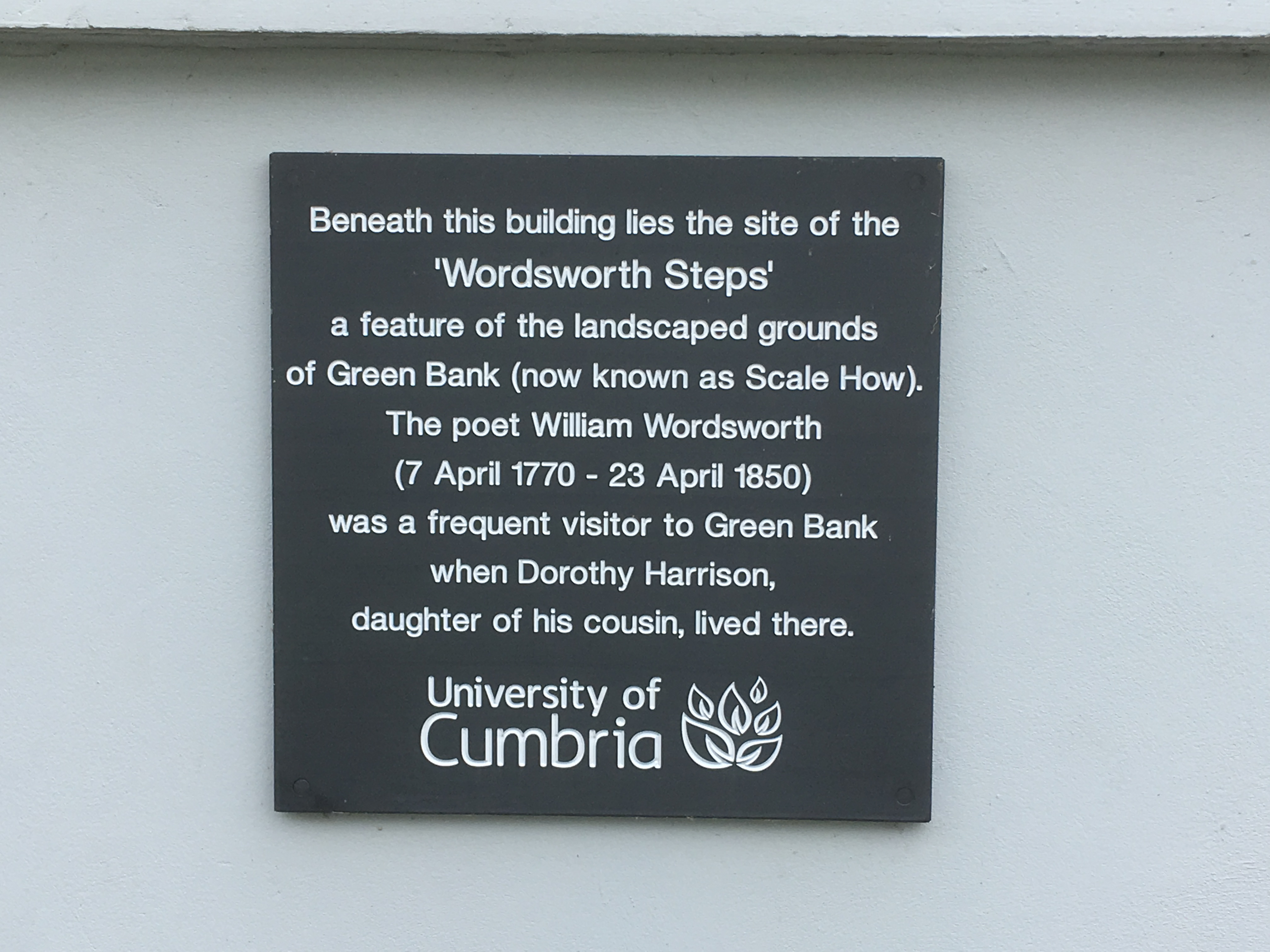
Across your programme you will, however, experience other teaching modes, including: small group and individual tutorials, workshops, directed study tasks, student led sessions, fieldtrips, specialist sessions (e.g. working with the archive at Wordsworth Grasmere; IT workshops), and distance-learning (e.g. online tutorials to support work on Dissertation).
The variety of learning and teaching methods used within the programme is designed to ensure inclusivity and to support a range of learner types, and at all times we seek to cultivate a nurturing and supportive learning environment.
How you will be assessed
The programme assessment strategy makes use of a range of assessment methods to enable you to demonstrate the extent to which you have achieved the learning outcomes of individual modules and the programme of study overall, and to encourage your development as an independent and autonomous scholar.
The critical essay remains a central mode of assessment in literature but other assessment modes deployed throughout the programme include portfolio exercises (e.g. shorter close readings; annotated poems), the scripting and recording of a documentary-style programme, the production of a leaflet or webpage and project work, as well as the dissertation.
A range of assessment modes are used because this enables us to test different aspects of your learning but this also reflects our commitment to engaging with the needs of different learners. The assessment strategy encourages you to plan your time effectively, with some activities involving ongoing and incremental engagement and others lending themselves more to shorter and more focussed periods of work.





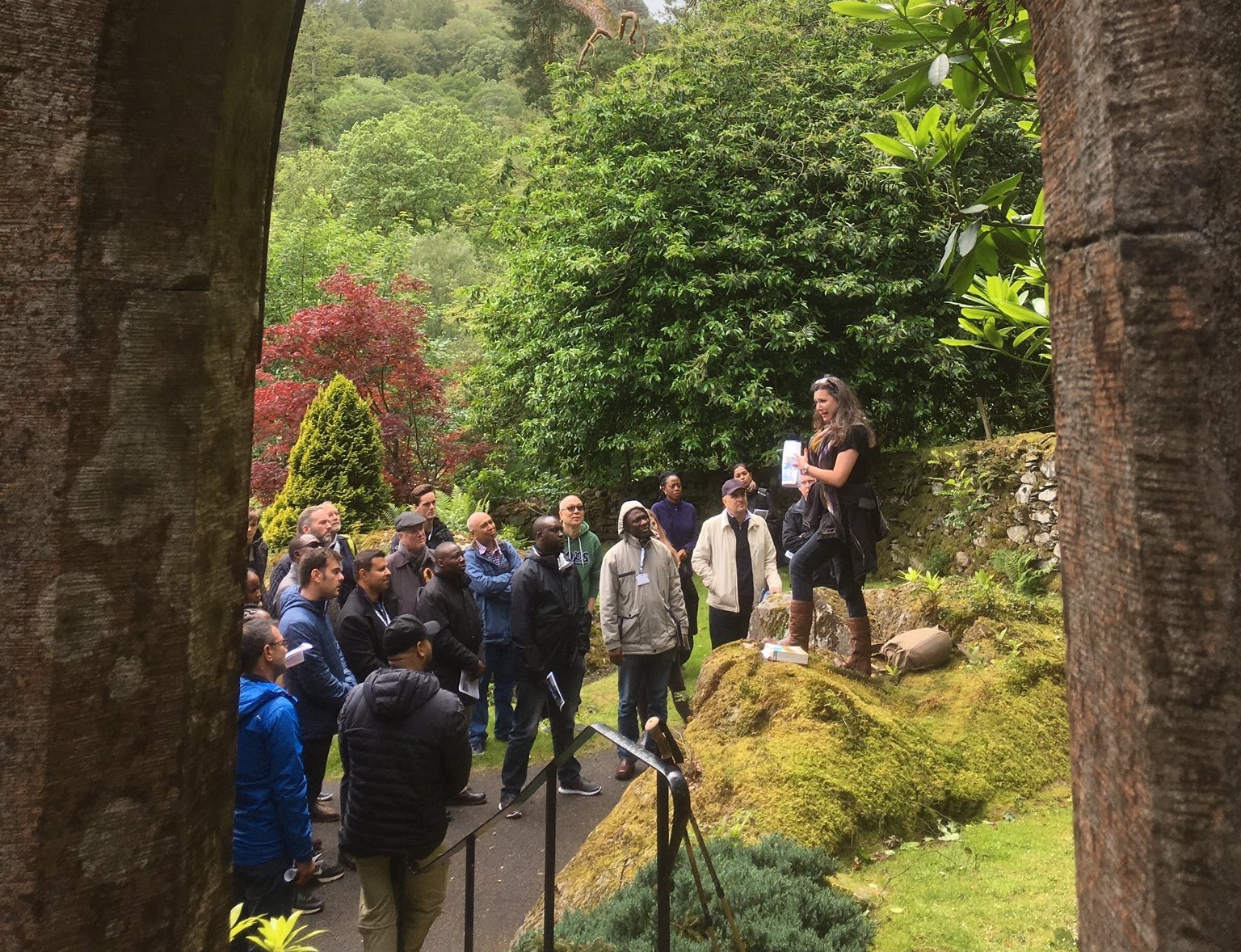
.jpg "Literature students reading Dorothy Wordsworth journal.")
.jpg "A snippet of Dorothy Wordsworth's journal.")