How you will learn
Our approach to learning and teaching recognises each student as an individual; as a student at the University of Cumbria, you will be part of an inclusive and diverse learning community. You will have opportunities to interact with others in an interdisciplinary, collaborative, and active learning environment, so you can explore complex issues, positively challenge assumptions and reflect on ways of thinking.
You will be supported in adapting to university life through a vibrant induction week programme, personal tutorials, personal development planning and a wide range of student support services. Course materials and other resources are available digitally through our virtual learning environment, Blackboard Ultra.
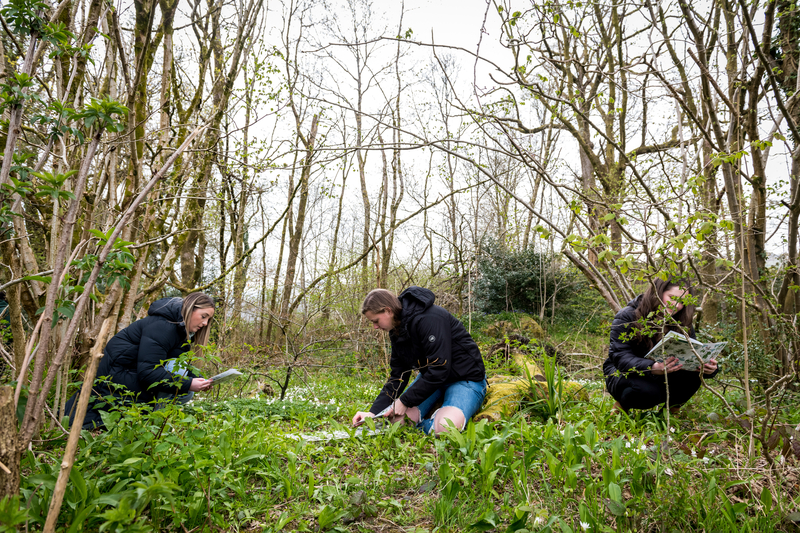
A variety of learning and teaching methods are used to reflect the variety of individual learning styles that inevitably exist within a group, so that you will experience teaching methods best suited to your own preferred learning style. Methods are designed to support the move to autonomy and independent learning as you progress through your programme, and includes lectures, practical classes, tutorials, seminars, problem-based learning, fieldwork, research-informed teaching and directed independent study.
How you will be assessed
Our assessment strategy has been developed to be in line with the University’s Learning, Teaching and Assessment Strategy and the Curriculum Design Framework. The overarching consideration is to provide authentic and inclusive assessments, which develop your skills and knowledge while equipping you for graduate employment, regardless of your background or learning style.
Assessments will therefore often mirror the type of work you will encounter in your future career and may include:
- Laboratory reports
- Field projects
- Computer-based assessments
- Problem solving activities
- Critical analysis of case studies
- Creative oral, audio-visual and poster presentations
- Dissertation research
- Peer and self-assessment
- Group work
Career Outcomes
Jobs that relate directly to an Ecology and Wildlife Conservation degree include:
Academic (conservation professional)
Animal handler
Biodiversity consultant
Climate scientist
Conservation adviser/partnership coordinator
Countryside ranger
Ecological consultant
Ecology and monitoring officer
Ecosystem restoration officer
Environmental assessor
Environmental consultant
Environmental educator
Field technician
GIS technician
Government adviser
Habitat restoration manager
Hydrologist
Marine biologist
Pollution manager
Project officer with NGOs such as Wildlife Trusts, WWF, RSPB, etc.
Public engagement officer
Research assistant
Scientific researcher (MSc, PhD and postdoctoral)
Water resource manager
Wildlife reserve manager
Zookeeper
Jobs where an Ecology & Wildlife Conservation degree can be a useful route of entry include:
Blue-green entrepreneur
Environmental writer/journalist
Renewable technologist
Research scientist
Sustainability adviser
Teacher
Typical employers could include:
Campaigning organisations (Greenpeace, Friends of the Earth, Marine Conservation Society, WWF)
National Conservation NGOs (British Ecological Society, The Wildlife Trusts, National Trust, The Rivers Trust, RSPB, Mammal Society, BugLife)
Government agencies (Natural England, Nature Scot, Forestry Commission, JNCC, MMO, Environment Agency, Office for Environmental Protection, local councils, national parks)
International conservation organisations (IUCN, FAO, WWF, Plantlife International)
Private conservation organisations and charities