How you will learn
A variety of teaching and learning methods are used throughout the programme and are designed to:
- Be student-centred, flexible and modern whilst being challenging and stimulating
- Support your needs at different stages of development
- Be fully supported by, and integrated with, technological approaches such as the Blackboard virtual learning environment (VLE)
- Provide technology-enhanced learning to support practical learning with a range of software systems and online resources
- Actively ensure theoretical work is linked to practice and practical and analytical skills are developed and applied to complex problems and situations
- Develop your academic skills, other key lifelong learning skills and you as
independent and self-directed learner, communicating the ethos of reflective learning
- Develop your ability to learn effectively and progress academically including an in-depth, evidence-based research dissertation
- Provide an interprofessional perspective an appreciation of how topics
covered, and knowledge and skills learnt are applied by other practitioners working in industry
Key knowledge, understanding, transferable and subject specific skills are
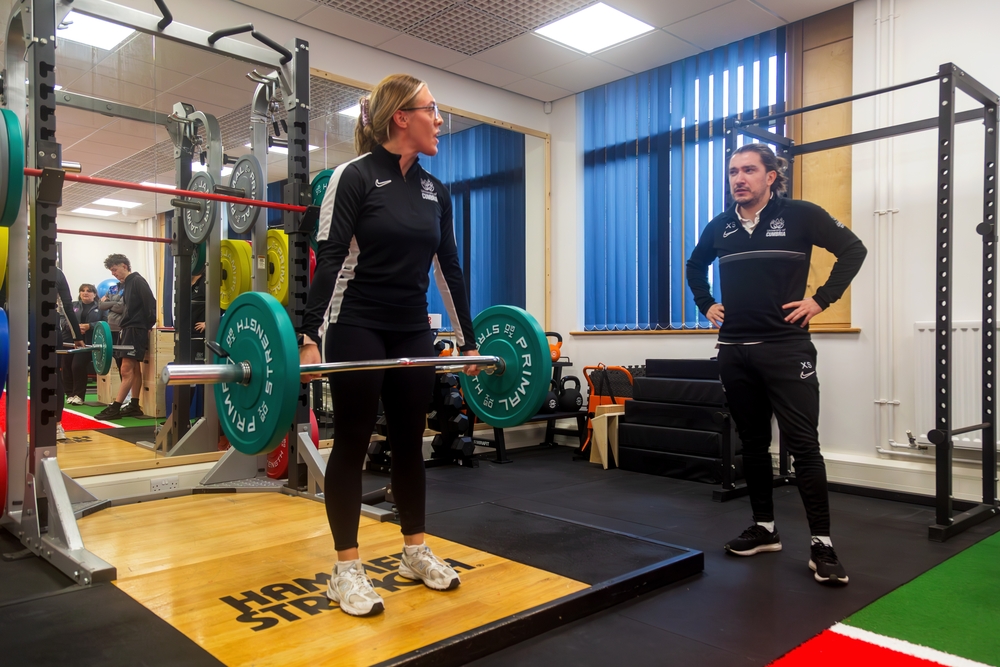
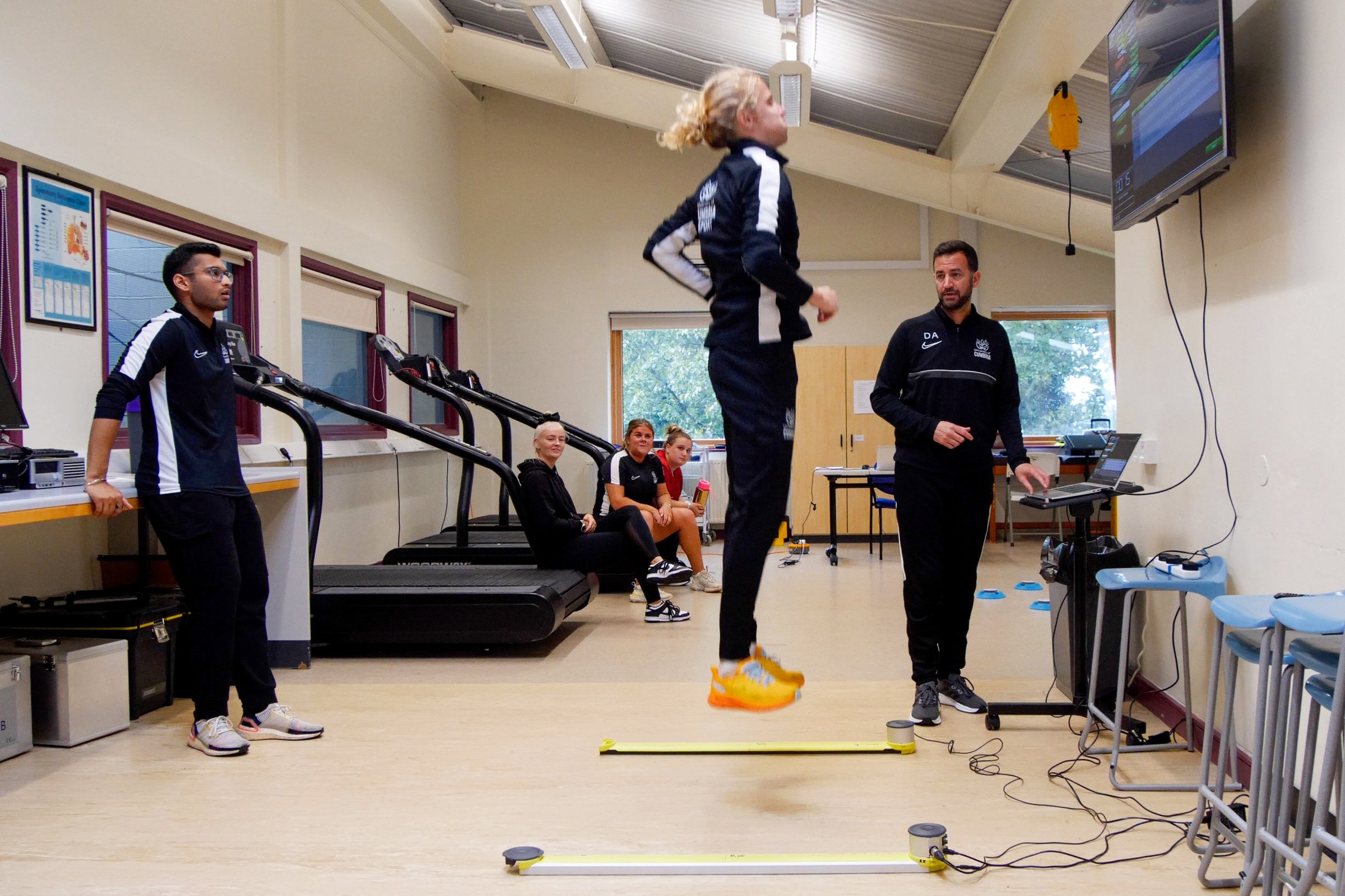
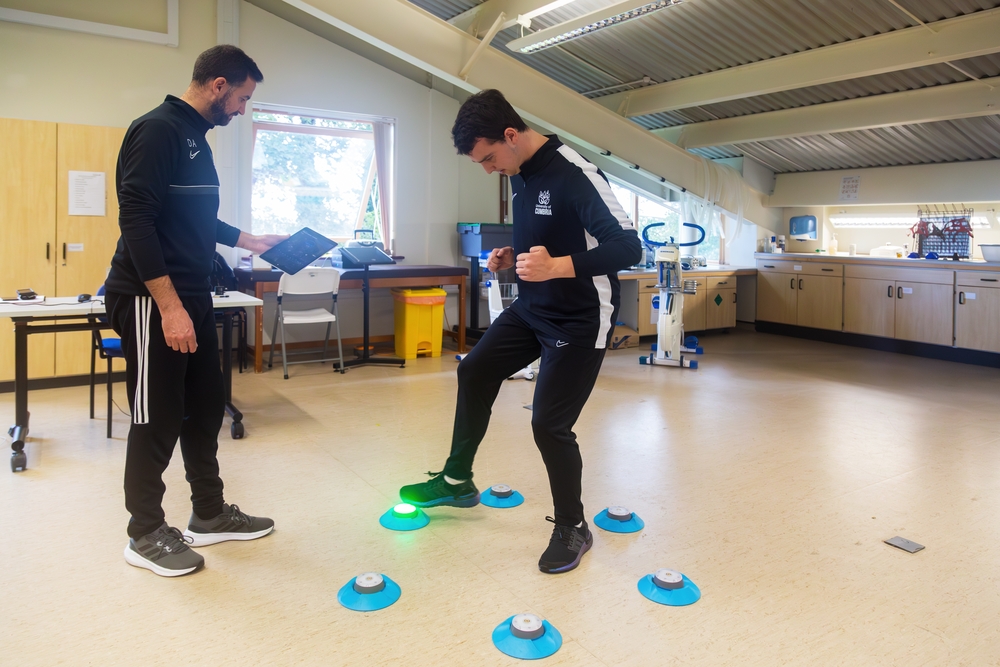
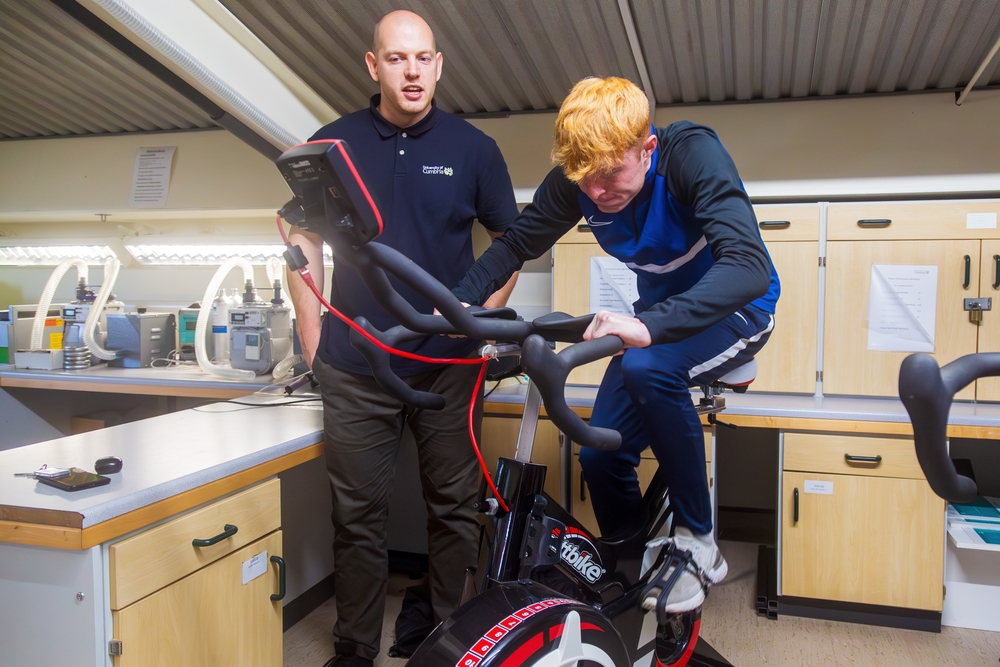
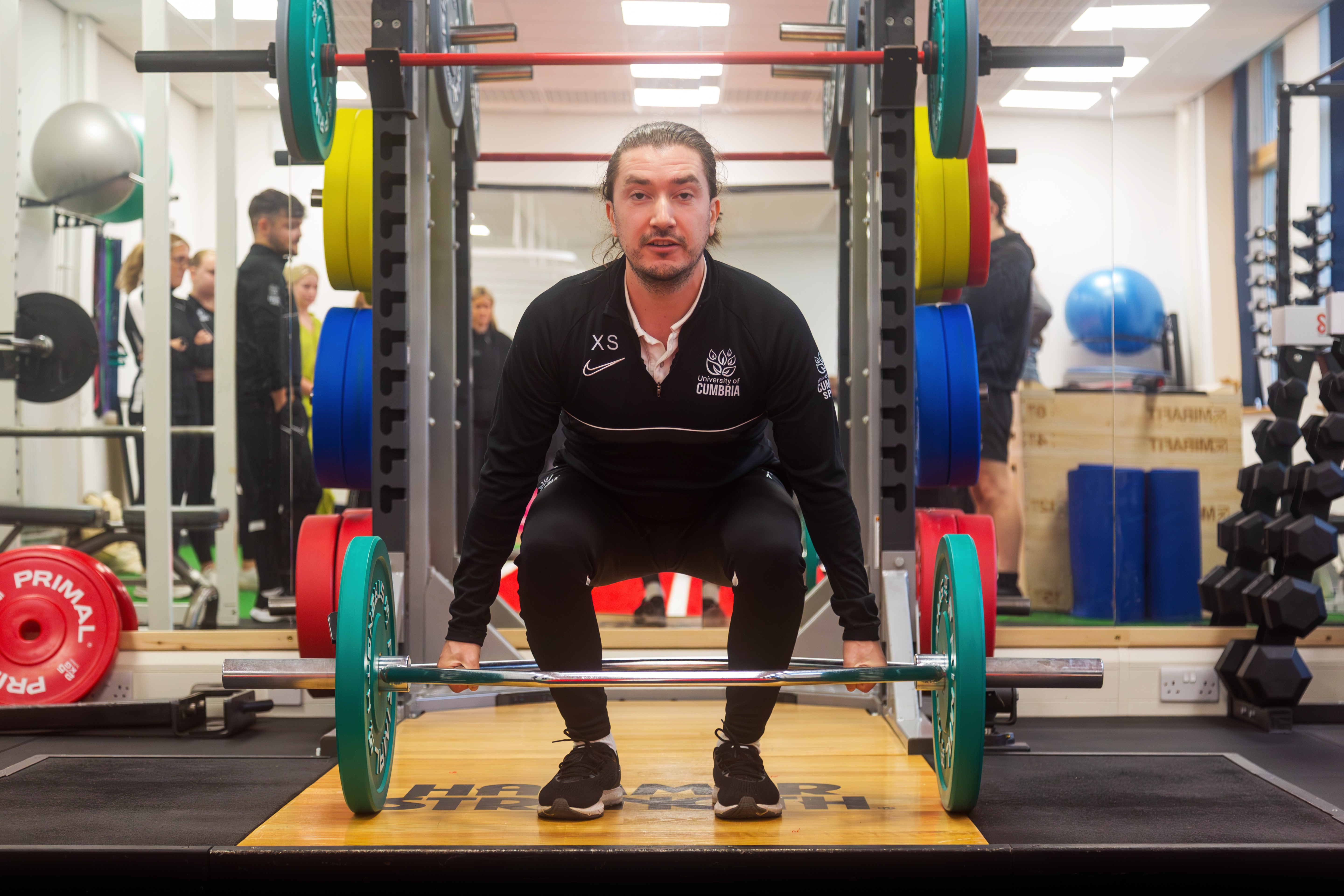
practised and developed through a wide range of teaching and learning methods including: lectures, seminars, workshops, practical demonstrations/observational learning, laboratory-based practical work, practical teaching/coaching sessions, case studies, discussion, debates, small group work, seminar presentations, reflection, problem-based learning, vocational placement, independent study and research projects.
The proportion of the methods used varies with the focus of each module.
Staff engage in continuing professional development, hold subject-specific qualifications at a higher level, conduct research pertinent to their subject expertise and professional practice and have significant experience working in coaching and performance sport bringing professional real-world experience to the programme.
How you will be assessed
Modules use formative and summative assessment so that you can progress through a module in a structured and constructive way and build knowledge for practice in a coherent and logical way. Formative assessments are designed so that feedback on your performance is provided before the submission of the final, summative assessment and will occur regularly to inform your progress and performance. Formative work does not contribute to the final module mark or the credit awarded. Formative tasks and assessments will feature in all modules and provide you with further learning opportunities, alongside skill development, for example, non-graded presentation skills, delivery and reflection.
A varied diet of summative assessment methods will be utilised to prepare you for further academic study and professional practice, reflecting the multi-disciplinary nature of this programme and the increasing demand for employment-ready graduates. Assessment methods are specified in each module guide and will include:
- Academic essays and reports
- Projects
- Exams
- Reflective reports
- Presentations (individual and group)
- Practical skills assessments
- Data analysis and interpretation
- Portfolios
- Research project
Portfolios may be comprised of several pieces of work which together provide evidence of learning and demonstrate achievement of learning outcomes in a variety of modes. For example, written pieces as well as video recordings, practical activities or presentations, PowerPoint slides, a series of reflections or online discussions are just some of the ways you may evidence your learning. Learning and Teaching Assessment (LTA) approaches will be continually evaluated and improved by using module evaluations, student feedback, peer review of teaching, and module development sessions. These will ensure an enhanced student learning experience and continuing professional development of the academic team to maintain best practice in learning, teaching and assessment.