How you will learn
Transferable and subject-specific skills are practised and developed through a wide range of teaching and learning methods including practical demonstrations, laboratory practicals, case studies, discussion, debates, small group work, seminar presentations, reflection, problem-based learning, vocational placement, independent study, and research.
Each module will facilitate the further development of literacy, numeracy and I.T. skills, as well as the development of other key lifelong learning skills. Both tutors and students will monitor and evaluate this development via personal academic tutor meetings and the use of formative assessment methods.
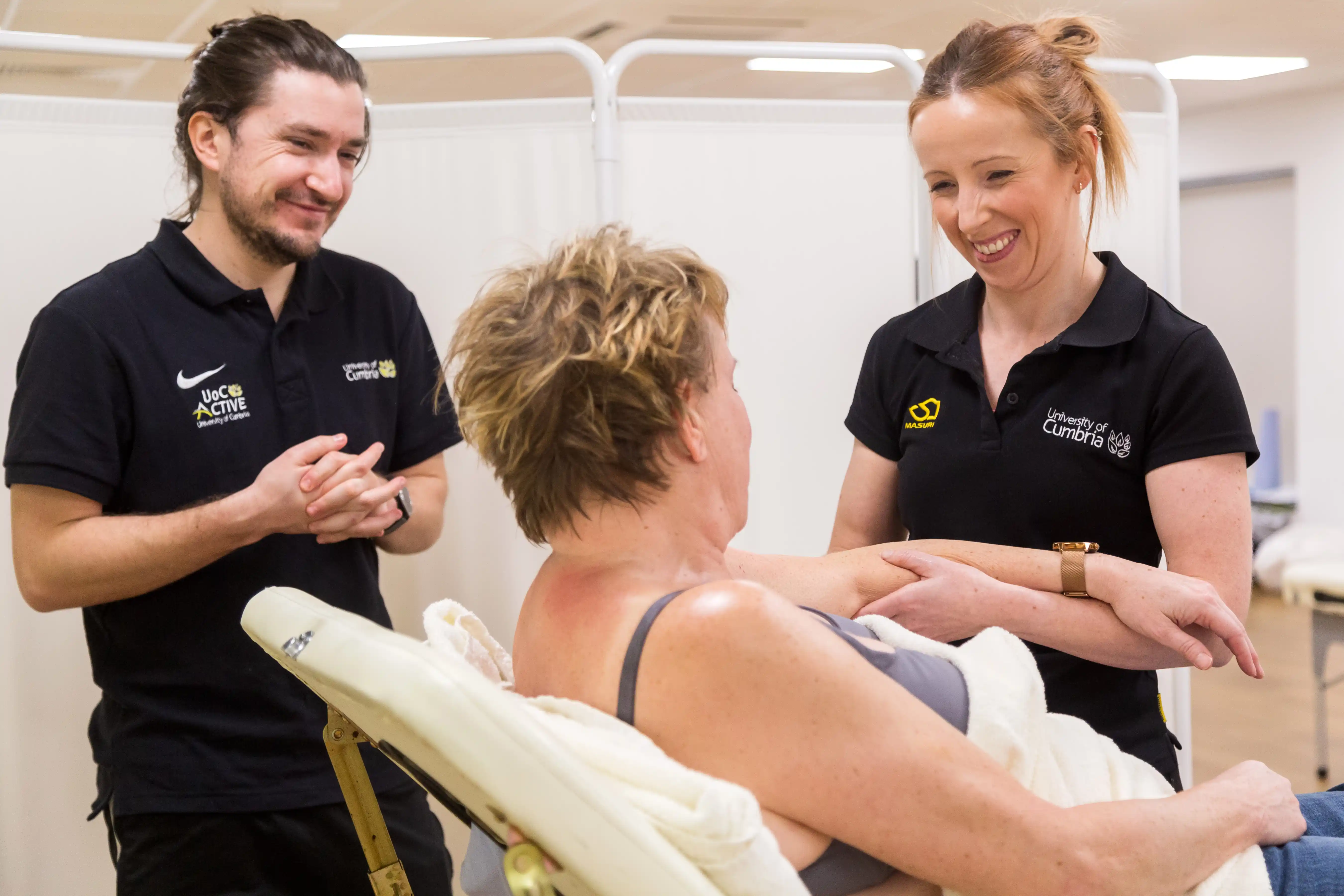
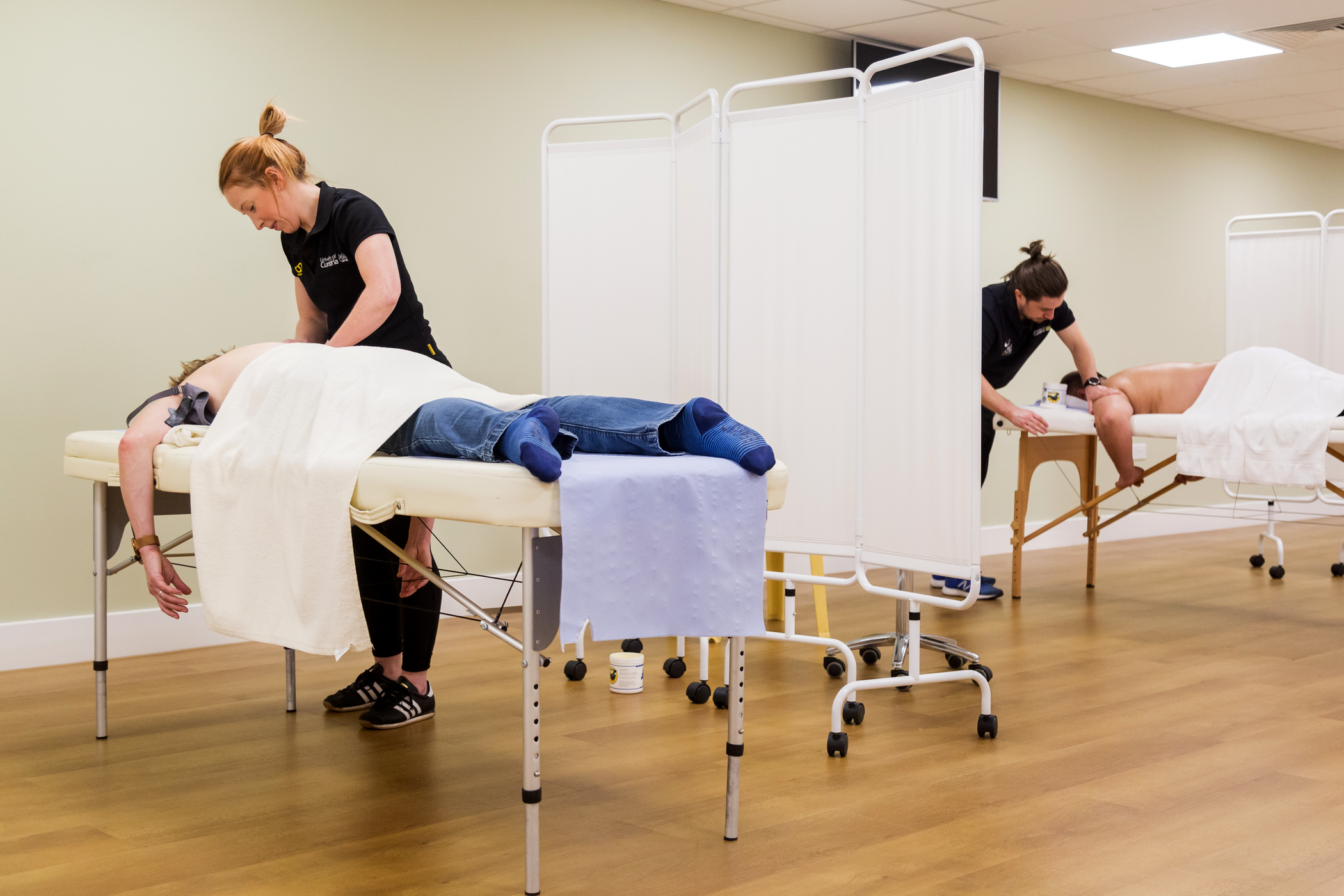
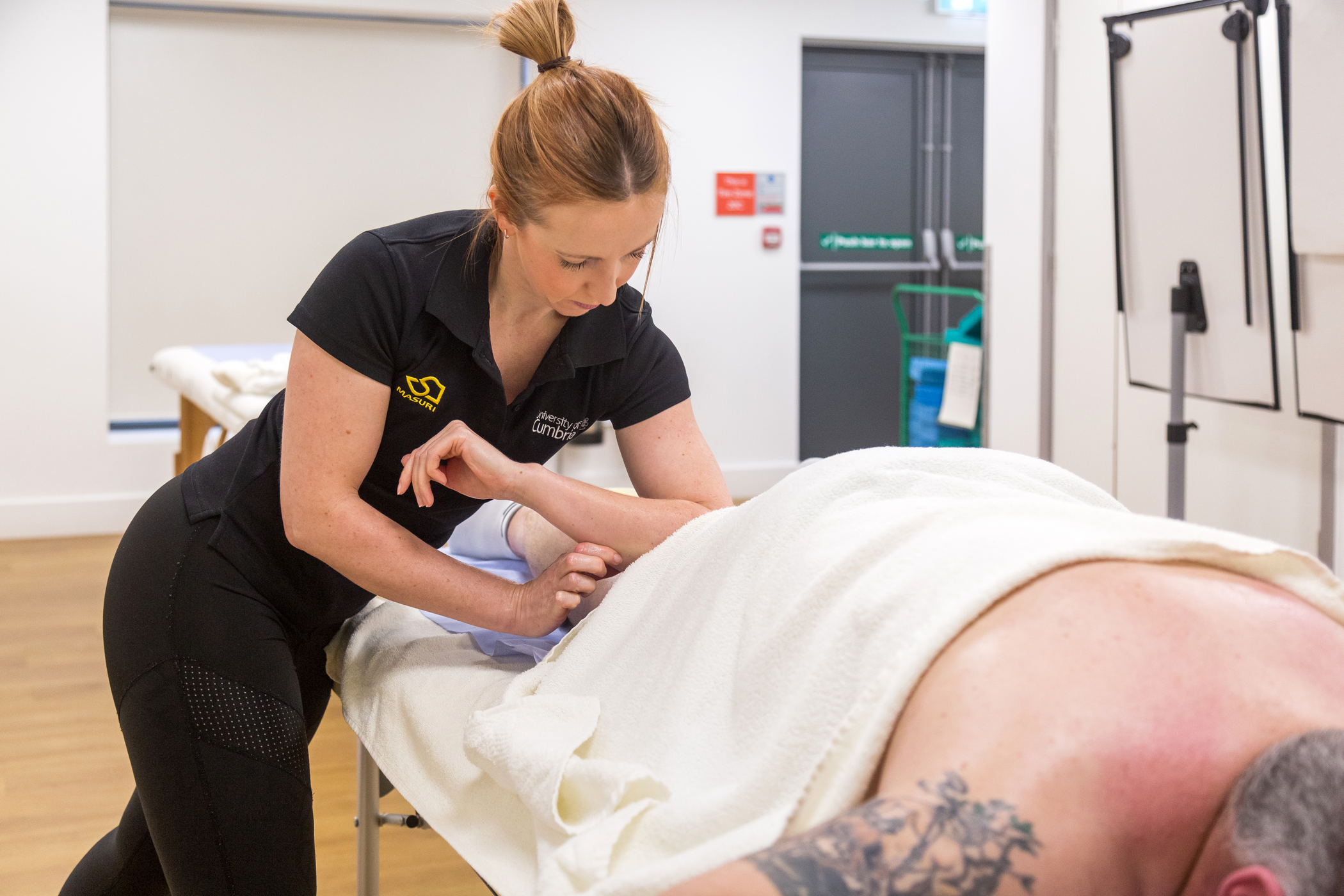
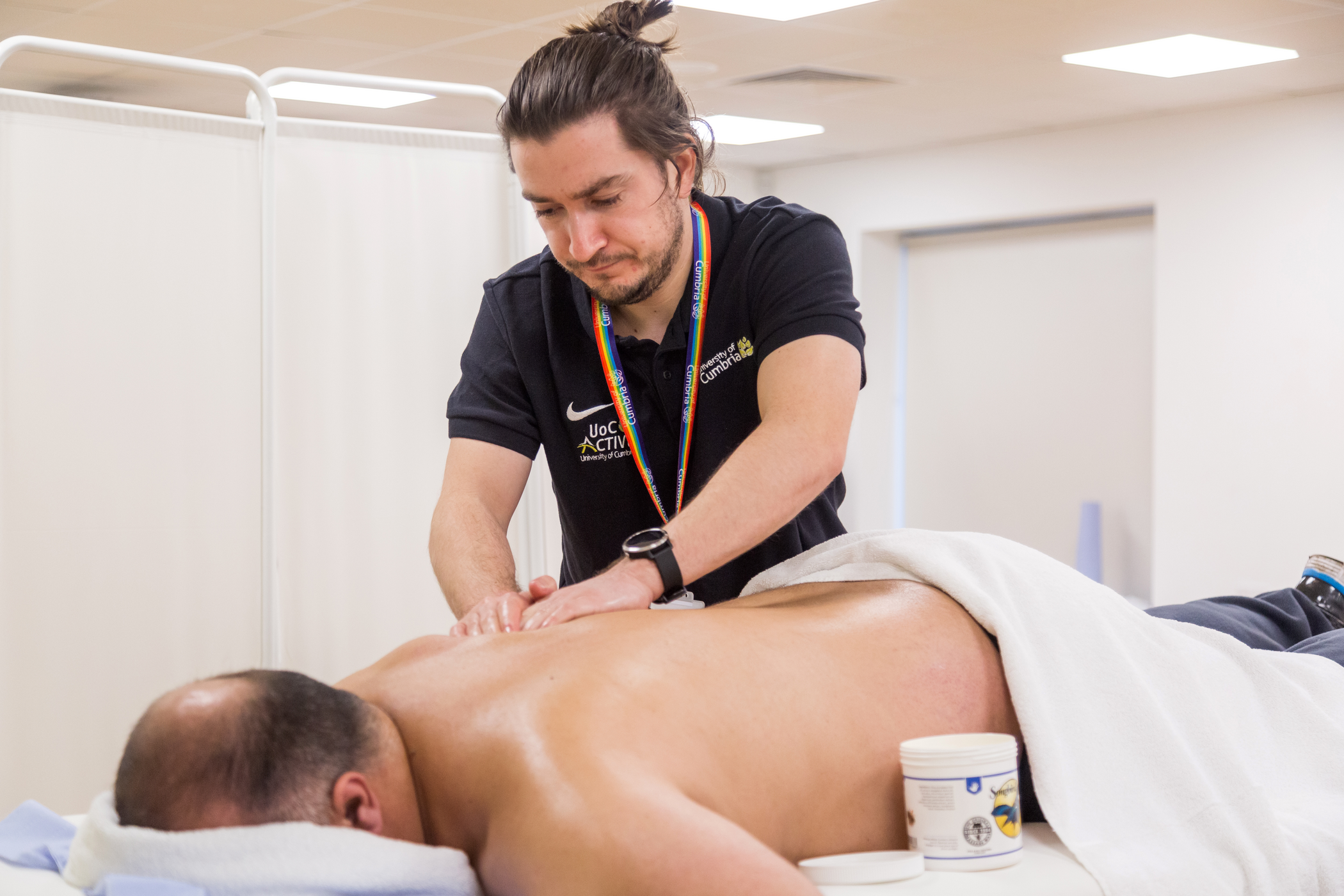
The majority of theoretical work is linked to practice, thus giving students the chance to apply this theory during practical sessions in the Clinic or Human Performance Laboratory. Practical and analytical skills are developed and applied to more complex problems and situations. Technology-enhanced learning will further support practical learning with a range of online resources.
How you will be assessed
Assessments within this programme have been designed to reflect the authentic professional requirements of the working practice in Sport Rehabilitation.
Examples of assessment methods include:
- Practical skills assessments
- Professional discussions
- Competency logbooks
- Group/individual presentations
- Online resources
- Case studies
- Reflective reports
- Academic essay
- Assessment reports
- Written exams.
Learning and Teaching Assessment (LTA) approaches will be continually evaluated and improved by using module evaluations, student feedback, peer review of teaching, and module development sessions. These will ensure an enhanced student learning experience and continuing professional development of the academic team to maintain best-practice in Learning, Teaching and Assessment.