How you will learn
During your degree you will learn through a combination of lectures, demonstrations, seminars, workshops, reviews, pitching, and one to one tutorials. You will undertake self-directed research throughout each year that reinforces your creative practice. Students will be encouraged to collaborate with classmates through group work, online forums, and debates to develop essential skills and critical thinking.
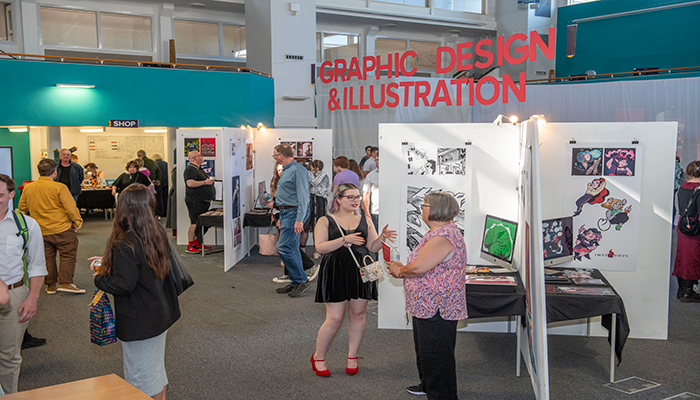
Because the Games Design course focuses on practical work and real-world exploration, learning will take place on campus, with occasional opportunities for field trips. You are also encouraged to engage with and provide content for our departmental social media channels, a place for creative students to share and celebrate their work with other creatives.
Industry-Focused Creative Practice
Develop practical skills across the full games production pipeline, from concept development and visual storytelling to 3D production and interactive design.
Learn Through Studio-Based Projects
With a strong emphasis on hands-on learning, the course combines workshops, collaborative production, and project-led learning designed to reflect real studio environments.
Work with Professional Tools
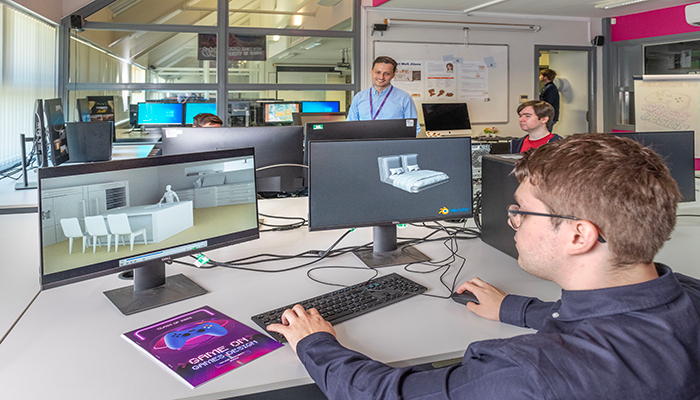
Gain experience using industry-standard software, visual scripting systems, game engines, VR technology, and digital production workflows used across the creative industries.
Build a Professional Portfolio
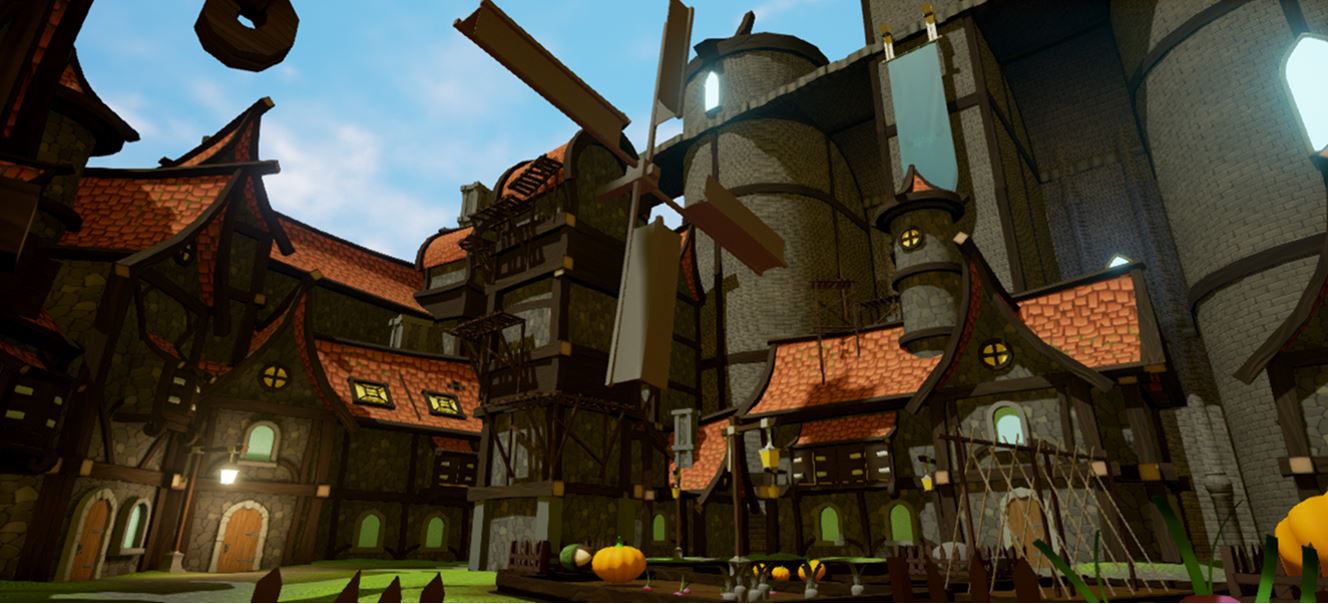
Graduate with a portfolio of original work showcasing your creative thinking, technical ability, and professional development.
Join a Creative Community
Collaborate with students across games, animation, media, and digital arts in an interdisciplinary creative environment that encourages experimentation and innovation.
How you will be assessed
Summative and formative assessments will take place throughout each academic year. You will be continually involved in the assessment of your own work and that of your peers, alongside receiving critical feedback from tutors.
A wide range of authentic assessment types will be used to help you develop your academic and work-related skills.
Specific examples of this:
- Module Work Book, bespoke ebooks, containing information, formative tasks, self grading exercises, embedded video clips, etc. to assist in specific modules ILO’s but also to enhance a culture of independent learning.
- Presentations/Pitching, where you are able to show work to Tutors and Peers in advance of Assignment Submission
- Seminars & Project Surgeries, a series of developmental seminars run where you review and comment on each others work, guided by tutors All of these activities promote learning partnerships between you, your peers and the staff.