How you will learn
Your foundation year will help you prepare for working independently as an artist and photographer, and get you ready for year one of the degree course.
Throughout the course, you will learn through a variety of approaches to ensure the development of skills, concepts, and knowledge. In this time you will develop both social and independent learning techniques through:
- Lectures and seminars - in-person sessions that allow you to explore photographic theory, develop your contextual understanding, and engage in group discussions.
- Tutorials - 1:1 or small group sessions with tutors where you discuss progress, assessment plans, and gain feedback on your work.
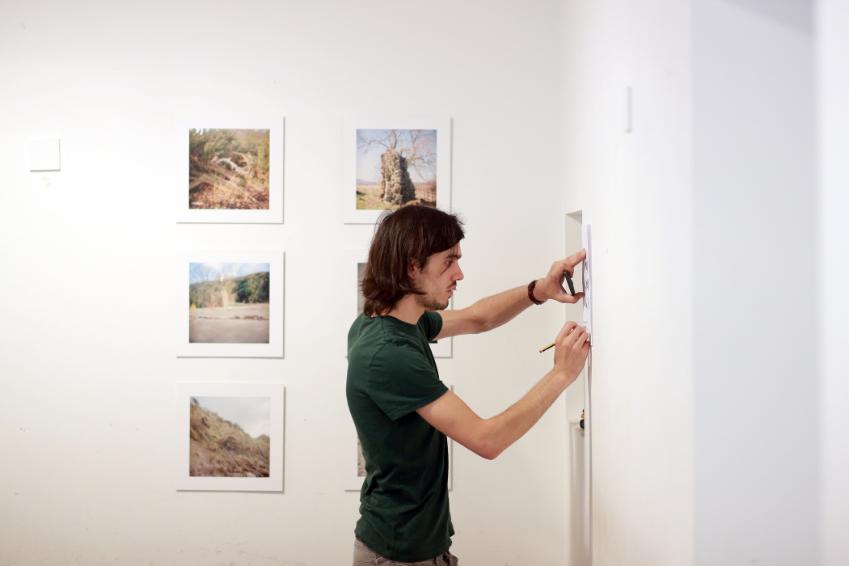
- Practical Workshop Sessions - Here, you will develop specialist technical skills and knowledge through demonstrations and practice using our high-quality equipment.
- Problem-based Learning - a key element of your learning, you will learn problem-solving skills by negotiating situational demands, working to a brief, and communicating with your audience.
- Group work
- Independent Learning
- Briefs - develop your photographic knowledge and expertise to inform your professional portfolio.
How you will be assessed
A key feature of this IFY programme is the opportunity to work closely with a range of specialist creative staff, as well as alongside students studying fine-art, graphic design and illustration.
By learning as an integrated member of this creative community you will experience, first-hand, the methods and techniques used by other visual practitioners. This will foster an appreciation of how your work fits into the wider world of the visual arts and provide you with greater confidence, knowledge and skills as you progress to Level 4 of the programme.
Most of your studies will be centred around practical projects that have been designed to not only help you practice and improve visual skills, but also develop your study skills, methods of research, critical and analytical abilities, and your ability to manage your time and plan your work.
A range of graded and non-graded assessments will take place throughout the course. Our programme is designed to encourage inquiry, curiosity, and the exploration of personal interests, allowing you to tailor briefs as you become more confident in your practice. Work and learning outcomes are in tune with industry demands, preparing you for professional practice through portfolios, exhibitions, photo books, and mock interviews.
You’ll be continuously involved in the assessment of your own work and that of your peers; developing critical interpersonal and team-working skills. Examples of the assessment types you will tackle include: Class critiques, written essays, peer review, portfolio reviews, mock interviews, and exhibitions.



.webp)