{"available": "entirely", "availability": {"status": {"Recruiting Status 26/27":"RP 26/27","Recruiting Status 27/28":"RP 27/28","Recruiting Status 25/26":"RP 25/26"}, "dates": [{"name":"September 2026","month":"September","year":2026},{"name":"September 2027","month":"September","year":2027},{"name":"September 2025","month":"September","year":2025}]}}
BA (Hons)
-
User-Experience and User-Interface (UX/UI) Design
Design is about people as much as it is about technology. Our BA (Hons) User Experience and User Interface (UX/UI) Design course equips you with the creative and technical skills to design intuitive, engaging digital experiences that put users first.
This practical, digitally focused course develops your expertise in UX research, interaction and visual design, usability testing, and prototyping. You’ll learn how to design and refine user‑centred digital products across web, mobile, and emerging platforms—combining creativity with critical thinking from concept through to delivery.
You’ll work hands-on using industry‑standard tools and facilities, including 3D workshops, photography studios, and AV resources. Collaboration is central to the course, reflecting professional studio and agency environments, with live briefs and real‑world projects helping you build a strong portfolio.
Taught by industry‑experienced tutors and supported by regular guest speakers, the course offers valuable insight into contemporary UX/UI practice. By graduation, you’ll have the skills, confidence, and professional portfolio needed to pursue careers in UX/UI design, interaction design, digital product development, or further study.
This course provides a comprehensive foundation in UX/UI Design, blending creativity, technical expertise, and user-centred thinking. You’ll develop the skills to research, design, and refine digital interfaces, ensuring seamless and engaging experiences across web, mobile, and emerging technologies.
Through a combination of practical workshops, theoretical study, and industry collaborations, you’ll explore the legal, ethical, and contextual dimensions of UX/UI Design, equipping you to craft digital solutions that are both innovative and inclusive.
Hands-on experience is at the heart of this course. You’ll have access to industry-standard tools and creative facilities, working on live briefs and real-world projects to build a professional portfolio. Guest lectures and industry partnerships provide valuable insights into the latest UX/UI trends, helping you stay ahead in this fast-paced field.
By the time you graduate, you’ll have the expertise and confidence to pursue careers in UX/UI design, interaction design, digital product development, and beyond, ensuring you’re ready to shape the future of digital experiences.
On this course you will...
Learn how to create user-friendly digital products and services, which are essential skills in today's technology-driven world. The programme offers a comprehensive curriculum that focuses on refining your skills in UX/UI Design.
Be equipped with the knowledge and techniques to enhance the user experience of existing products and services. This is a critical aspect of modern design, as businesses strive to provide seamless and enjoyable interactions for their users.
Learn how to apply research methodologies and evaluation techniques to your UX/UI Design projects, ensuring that your designs are based on solid evidence and user feedback.The programme fosters critical thinking and research skills.
Have access to a variety of resources, including 3D workshops, digital and analogue photography facilities, and user AV resources. These resources enrich your learning experience and provide you with hands-on opportunities to explore different aspects of design.
Be able to expand your network and gain valuable insights into the industry. The programme encourages collaboration and professional engagement. Guest speakers from the industry regularly visit, providing insights into real-world practices and bridging the gap between academia and the professional world.
The programme offers a comprehensive exploration of designing digital products and services with user-friendliness at its core. This structured three-level programme explores creative applications, practical methodologies, research techniques, and critical thinking within the dynamic realm of UX/UI Design. The programme is designed with hands-on experience as its foundation, fostering a culture of collaboration that mirrors professional settings and nurtures essential teamwork aptitude. The integration of Work Integrated Learning ensures a seamless alignment of the programme with students' future vocations and aspirations.
The programme promotes an in-depth understanding of UX/UI Design concepts, contextual dynamics, research methodologies, analytical knowledge, and tangible skills. Graduates emerge with a solid understanding, specialised proficiencies, and the self-assurance to excel in careers spanning UX/UI Design and beyond, or to embark on further academic studies.
Year one
In year one students cultivate foundational skills essential to UX/UI Design. Strategic thinking, manipulation of design elements, and adept usage of digital tools mark this stage. Understanding the nuanced language of UX/UI Design and its application in forging compelling user experiences is emphasised. Successful completion of Level 4 enhances students' prowess in dissecting and evaluating UX/UI Design solutions.
Introducing Visual Communication
Introduction to UX Design
Digital Skills and Technologies for the Web
Cultural Contexts
Collaborative Practice
Year two
Year two, the programme widens its scope to encompass the holistic context of the UX/UI Design industry. Here, you will grapple with legal, ethical, and contextual dimensions of the field. Critical evaluation of projects is coupled with an exploration of the multifaceted role of the UX/UI designer and the paramount role of research in shaping the creative trajectory. Level 5 encourages you to combine your insights into a tangible portfolio in preparation for your final year.
Digital Studio
User Experience in a Connected World
Competition Response
User Behaviour and Interactive data visualization
UX Studio Project
Year three
In year three the programme empowers students to immerse themselves in self-assigned projects, project management, and industry networking, further enhancing expertise. Specialisation beckons in areas such as user research, interaction design, visual aesthetics, and beyond, with trends like artificial intelligence and virtual reality on the itinerary. The culmination of Level 6 involves curating a portfolio showcasing your UX/UI Design projects, underpinned by the application of communication theory across diverse scenarios. The successful completion of Level 6 gives you not only with competence but also with the conviction to embark on enriching careers in UX/UI Design, related trajectories, autonomous projects, or further academic studies
Collaborative Response
Independent Research Paper
Final Major Project
Teaching & Assessment
How you will learn
The programme employs a comprehensive range of teaching and assessment methods to maximize skill development, including lectures, tutorials, tailored feedback, seminars, discussions, and crits involving both tutors and peers. Self-directed study enriches learning opportunities, further complemented by E-Learning platforms such as Blackboard, granting access to invaluable resources. Assessment focuses on innovative projects, nurturing critical thinking proficiencies. The emphasis lies in nurturing graduates who are self-reliant and adept, facilitated by dedicated learning environments, preparing you for s successful careers in the dynamic realm of UX/UI and to pursue further studies.
How you will be assessed
Our practical assignments, authentic assessment, and comprehensive formative feedback mechanisms ensure that students not only produce high-quality work but also develop the ability to respond to the evolving demands of the UX/UI industry. Assignments are centred around practical projects and portfolio building, reflecting the nature of UX/UI careers. These assignments not only encourage creativity and dedication but also enable you to apply your skills to authentic industry briefs. All assessment integrates formative feedback at all stages of the learning process. Regular advice and guidance are provided while your work is in progress. This feedback loop encompasses individualised, peer-to-peer, and group tutorials.
Career Outcomes
As a graduate you will have developed a range of transferable skills through your degree, such as research, design, coding, and communication. These skills can be applied to a range of roles within the User-Experience and User-Interface (UX/UI) Design industry. UX/UI designers are employed in a wide range of industries, including technology, finance, education, healthcare and retail. Additionally, as a graduate you may choose to pursue further study, such as a Masters, or a professional qualification in Digital Marketing.
Overview
104-112 UCAS Tariff Points, You can find out more about the tariff and qualification options from the UCAS tariff table. Offers are tailored to the individual applicant and their circumstances and can be across the tariff range. Applicants who meet our contextual information criteria will be offered at the bottom of the range.
Qualifications
Entry Requirements
A-levels: BCC-BBC
T-levels: P (C+) . All subjects are accepted for entry to this course
Access to HE: 15 Credits at Distinction, 30 at Merit
Scottish Highers: BBBC - BBBB
Irish LC Highers: B1, B2x3 – B1x2, B2x2
Alternative routes: If you don't think you'll meet the criteria for direct application to this course, check out our Integrated Foundation Year programmes.
Fair Admissions
When you apply, our Admissions specialists will review your whole application. We are looking for your potential to succeed so will assess your qualifications, any relevant work experience, your personal statement, and references.
Where you have received a conditional offer subject to achieving particular grades/UCAS tariff scores, and do not quite meet these scores, please try not to worry, where vacancies exist our Admissions specialists will review your whole application again and take account of any mitigating circumstances and reassess your suitability for the course.
Selection Criteria
As part of the application and selection process, we are looking for your commitment to this programme. In your personal statement, you should demonstrate your motivation for choosing this programme and reflect upon any experience you have gained.
Contextual Admissions
Going to higher education can transform a person’s life. We use contextual admissions to make sure that we are accessible to everyone who has the potential to succeed. Qualifications and grades are important, but they are considered alongside other information that helps universities to identify potential and widen access to university level study. For some individuals, the disadvantages they have experienced in their life mean that they have not been able to demonstrate their full academic potential. Where a person lives and their personal circumstances can all affect their educational attainment.
We take this context into account and look for an applicant’s potential when making admission decisions. The University of Cumbria will make offers at the bottom of any UCAS Tariff range to applicants that live in postal code regions with the lowest participation in Higher Education (Polar 4 quintile 1 – you can check your postcode here), applicants that are estranged from their parents, are care leavers or have caring responsibilities or are in receipt of or received free school meals during their secondary education. Attendance at our Masterclasses and Summer Schools will also allow applicants to receive an offer lower within the tariff range. (T&Cs apply).
If you are over 21 and returning to study after being in relevant employment for a minimum of 3 years and do not meet the published entry requirements for Year 1 of our degree courses, please do not assume you are not qualified to join us. Our experienced Admissions and Academic staff will review your prior qualifications and professional experience to support your application.
Language requirements
Please follow the link to check language requirements for this programme here.
Fees & Funding
Tuition Fees
UK Tuition fees
£9,535 Entry in academic year 2025/26
£9,790 Entry in academic year 2026/27
International Tuition fees
£14,900 Entry in academic year 2025/26
£16,000 Entry in academic year 2026/27
The figures above don't include accommodation and living costs.
Tuition fees are set annually and are subject to review each year. The University may therefore raise tuition fees in the second or subsequent years of a course, in line with inflation and/or the maximum permitted by law or Government policy. Students will be notified of any changes as soon as possible.
More Information
We have a wide range of scholarships, bursaries, grants and funds available to support you throughout your studies with us. This includes the Cumbria Bursary - a non-repayable bursary designed to support first year students with a household income of less than £25,000..
You should budget for stationery and consumables for personal use. These may include notebooks, pens and pencils, digital storage devices, printing and photocopying. The amount you spend will depend on your study preferences.
Books and journals
Approximately £50 to £300 over the course of your studies
Optional · Throughout the course · Books and journals
Most core textbooks and journals are available through the University library. You may choose to purchase personal copies of books or other resources used to support your studies.
Some courses recommend particular books or provide an estimated annual budget for purchasing personal copies. Search for your course below for details.
Technology requirements
Cost depends on the equipment and internet service you choose
Required · Throughout the course · Digital learning and IT
You will need regular access to a laptop or computer capable of accessing the internet and running software such as a word processor and Microsoft Teams. Microsoft 365 is provided as part of your studies. You will also need a reliable internet connection. The amount you spend will depend on the equipment and internet service you choose.
Field trips and membership fees are usually optional extras on this course.
Location
Carlisle - Brampton Road Campus
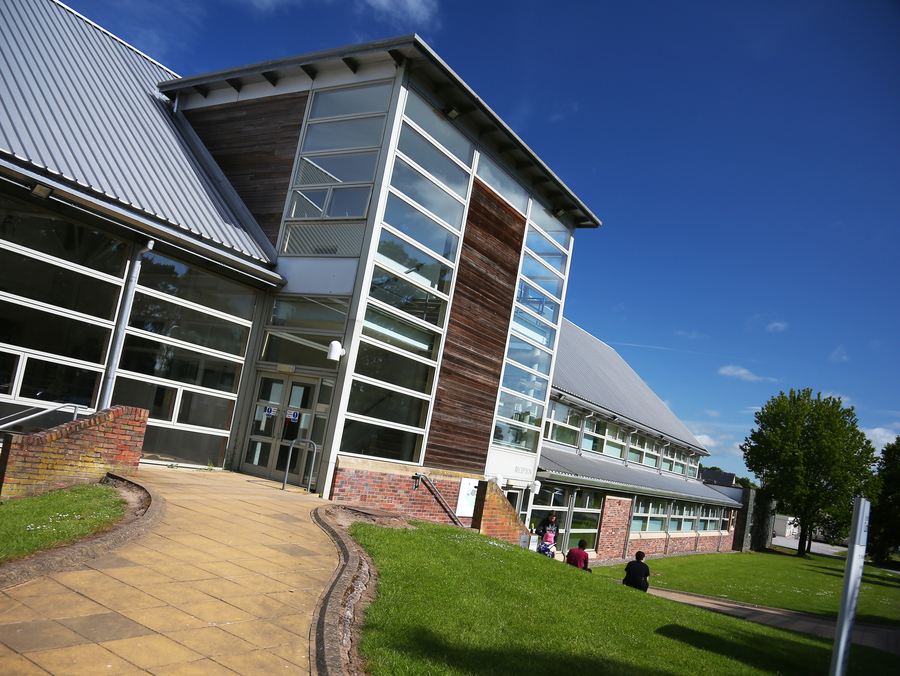
Located just outside the city, right on top of Hadrian's Wall, the Brampton Road campus is full of history, buzzing with excitement, creativity, and a sense of endless possibility. The home of creators, entertainers, rule breakers, and change-markers.
An Open Day is your opportunity to explore one of 5 campuses, meet your lecturers, and find out how the University of Cumbria could become your new home.