{"available": "entirely", "availability": {"status": {"Recruiting Status 26/27":"RP 26/27","Recruiting Status 27/28":"RP 27/28","Recruiting Status 25/26":"RP 25/26"}, "dates": [{"name":"September 2026","month":"September","year":2026},{"name":"September 2027","month":"September","year":2027},{"name":"September 2025","month":"September","year":2025}]}}
BA (Hons)
-
Graphic Design
Ignite your creativity and make an impact within the field of graphic design. From the moment your design is brought to life, there's no greater joy than seeing it out there in the real world. The art of combining typography, illustration, and photography to tell a captivating story is a craft that leaves a lasting impression.
Our career-focused course is highly practical, giving you plenty of hands-on experience. You’ll learn graphic design, magazine design, illustration, UI/UX, and typography from experts in each of these specialisms, and use industry-standard software, equipment, and facilities.
You’ll gain the necessary creative and technical expertise, experience, and confidence to launch your career whilst building the problem-solving, teamwork, and time management skills needed to be a successful graphic designer. You will further develop impactful visual communication skills as you refine the art of engaging and captivating audiences through your designs across both print and digital media.
Prepare yourself to be challenged and push boundaries with live briefs from our established network of industry professionals. You'll join a vibrant creative community and be supported by expert tutors to discover, develop, and translate your artistic voice in design.
Graduate as a professional graphic designer, ready to bring your creativity to the world. This degree equips you for careers in design and advertising consultancies, multimedia agencies, TV companies, and publishing houses - both nationally and internationally.
Our graduates have gone on to work for well-known names such as Time Out, MTV, Conde Naste, IPC, Future Publishing, Mammoth, Wallpaper and the BBC.
We understand that what sets you apart as a university graduate is your personality, passion, and the quality of your portfolio. That's why we've designed this graphic design degree to provide you with the opportunity to work on a wide variety of projects, helping you discover what suits you best and allowing you to focus on developing your skills. Throughout your studies, you’ll receive extensive feedback, guidance, and support, along with access to cutting-edge facilities and industry-standard equipment.
We’re very proud of what our students achieve. Why not read their success stories: STUDY@ UoC - GRAPHIC DESIGN. You can also see what happens on our course through our social channels.
On this course you will...
Learn graphic design, magazine design, illustration and typography from experts in each of these specialisms, and use industry-standard software, equipment and facilities.
Do real graphic design work. 80% of your studies will be practical, so you won't just be learning theory.
Build a robust portfolio of work for exhibits to showcase your graphic design training and display your talent to potential employers.
Benefit from practical demonstrations, visits, and feedback from professional designers.
The Graphic Design course at The University of Cumbria moulded me into the creative I am today. I started the course with little to no experience in design, but I did possess an element of unharnessed creativity, which the tutors saw within me before I did.
Sam Ratcliffe, BA (Hons) Graphic Design
Creative Lead Photography - BBC Creative. Manchester, UK.
By attending the UoC I got the skills, I got the network and I got the inspiration to become a graphic designer and creative who leads by passion, not by fear of failing or mistaking. THERE’S SO MUCH FUTURE IN THIS PATH OF BEING A CREATIVE. IT JUST KEEPS GROWING.
Fredrik öst, BA (Hons) Graphic Design
Founder & Creative Director - Snask. Stockholm, Sweden.
I looked at many different creative courses at universities across the country. Ultimately, I found myself continuously returning to the university's course page for Graphics and Illustration.
The BA (Hons) Graphic Design aims to help you successfully transition from being a design student to a professional designer. Our graduates work for national and international design and advertising consultancies, multi-media agencies, TV companies, publishing houses, magazines and many now run their own design studios.
Year one
In Level 4 you’ll gain fundamental knowledge and practical experience of visual communication, the building blocks of visual language, and professional attitudes and practices. When you join us you become part of a creative community and from the outset, you will be encouraged to share your ideas, experiences and work through discussion with tutors and fellow students.
A distinctive feature of the graphic design course is that, initially, you will work closely with Level 4 illustrators exploring the fundamental principles of visual communication as many of the core principles and considerations are shared between the two disciplines, for instance; colour theory and application, traditional and digital media, development processes, presentation skills, etc.
Introducing Visual Communication Develop effective working practices and habits.
Cultural Contexts An introduction to the cultural, historical, and social contexts in which creative work from a range of disciplines.
Multi-Dimensional Graphic Design Explore multiple forms and formats, from traditional print to the latest digital platforms, simple symbols to complex information and ideas, ephemeral to iconic.
Collaborative Practice Work with other students to explore and practice the skills involved in creative collaboration.
Year two
Second year is focused on applying the knowledge and skills you’ve gained to a series of design challenges. Testing and refining your design and personal management skills in a number of scenarios will give you confidence in your ability to tackle unfamiliar challenges. As your confidence grows through experience you’ll begin to develop personal strands of interest or specialism.
Your tutors bring a wide range of design experience to the course with particular expertise and interests in typography, editorial/publishing, corporate identity and branding work. There is an emphasis on knowledge, passion, and enjoyment, showing you how they can be utilised to make memorable, meaningful designs.
The Designer's Toolkit Explore the structural elements that are essential when creating any piece of graphic design - alignment, hierarchy, contrast, repetition, proximity, balance, colour, and space.
Type & Typography Explore letterforms and how they can be manipulated and arranged to inform, entice, and communicate lies.
Graphic Design Projects Develop conceptual skills and an individual approach to graphic design problem-solving, providing the springboard to your final year of study.
The Critical Designer Explore key contextual debates which impact production and the reading of graphic design texts. Consider design as a form of social practice.
Year three
As you enter your final year, flexibility increases where all of the skills, knowledge and confidence you have developed so far are brought together to produce a portfolio of design work that showcases your talents.
By this time you’ll be preparing for progression – life after you finish your degree - seeking work or preparing for Masters or Postgraduate study. Much of your professional practice will be focused on that exciting step.
Advanced Design Projects An opportunity to work within a design brief and explore a particular area of interest.
Independent Research Paper Develop specialised and focused knowledge and understanding of a subject of your own choice.
Graphic Design Showcase An opportunity to show-off the skills, knowledge, and professionalism developed throughout the course to potential employers and the wider world.
Teaching & Assessment
How you will learn
At level 4, you will get the opportunity to work alongside students studying Illustration. Learning as a creative community, you will experience the methods and techniques used by other visual artists. As the year continues, you will begin to develop specialist skills, knowledge, and understanding that helps you focus your identity as a graphic designer. While collaboration is encouraged, learning will centre on you and the operational contexts graphic designers work within.
Projects will aim to develop your visual skills, alongside methods of research, critical and analytical abilities, and time management. You will be involved in self-assessment and peer assessments throughout the course, encouraging critical thinking and interpersonal skills that are vital as a professional creative.
How you will be assessed
Throughout your course, you will engage in a range of assessment methods, including group projects, portfolio creation, and work placement. You will receive regular advice and guidance through formative feedback, exploring how you approach and contribute knowledge in one-to-one and group tutorials. Summative assessments will take place throughout the year and aim to assess how you apply your knowledge through essays, portfolios, and projects.
Assessments aim to develop your professional confidence, equipping you with the skills you need to excel as an adaptable and reliable graphic designer.
Overview
96-112 UCAS Tariff Points, You can find out more about the tariff and qualification options from the UCAS tariff table. Offers are tailored to the individual applicant and their circumstances and can be across the tariff range. Applicants who meet our contextual information criteria will be offered at the bottom of the range.
Qualifications
Entry Requirements
A-levels: CCC-BBC
T-levels: P (C+) . All subjects are accepted however we recommend the T Level Digital Production, Design and Development for entry to this course
Access to HE: 15 Credits at Distinction & 30 at Merit
Scottish Highers: BBCC - BBBB
Irish LC Highers: B2x4 – B1x3, B2
Fair Admissions
When you apply, our Admissions specialists will review your whole application. We are looking for your potential to succeed so will assess your qualifications, any relevant work experience, your personal statement, and references.
Where you have received a conditional offer subject to achieving particular grades/UCAS tariff scores, and do not quite meet these scores, please try not to worry, where vacancies exist our Admissions specialists will review your whole application again and take account of any mitigating circumstances and reassess your suitability for the course.
Selection Criteria
As part of the application and selection process, we are looking for your commitment to Graphic Design. In your personal statement, you should demonstrate your motivation for choosing this course and reflect upon any experience you have gained.
All places are offered subject to successful interview and portfolio. Please prepare your portfolio carefully to show evidence of your creativity, drawing, idea development, design and technical skills. We also like to see expressive and experimental work. There is no one, ideal portfolio and we are used to looking at the work of students from many different courses and colleges. Although we want to see your work, we are more interested in meeting you and giving you the opportunity at interview to express your passion and commitment for graphic design.
Contextual Admissions
Going to higher education can transform a person’s life. We use contextual admissions to make sure that we are accessible to everyone who has the potential to succeed. Qualifications and grades are important, but they are considered alongside other information that helps universities to identify potential and widen access to university level study. For some individuals, the disadvantages they have experienced in their life mean that they have not been able to demonstrate their full academic potential. Where a person lives and their personal circumstances can all affect their educational attainment.
We take this context into account and look for an applicant’s potential when making admission decisions. The University of Cumbria will make offers at the bottom of any UCAS Tariff range to applicants that live in postal code regions with the lowest participation in Higher Education (Polar 4 quintile 1 – you can check your postcode here), applicants that are estranged from their parents, are care leavers or have caring responsibilities or are in receipt of or received free school meals during their secondary education. Attendance at our Masterclasses and Summer Schools will also allow applicants to receive an offer lower within the tariff range. (T&Cs apply)
If you are over 21 and returning to study after being in relevant employment for a minimum of 3 years and do not meet the published entry requirements for Year 1 of our degree courses, please do not assume you are not qualified to join us. Our experienced Admissions and Academic staff will review your prior qualifications and professional experience to support your application.
Language requirements
Please follow the link to check language requirements for this programme here.
Fees & Funding
Tuition Fees
UK Tuition fees
£9,535 Entry in academic year 2025/26
£9,790 Entry in academic year 2026/27
International Tuition fees
£14,900 Entry in academic year 2025/26
£16,000 Entry in academic year 2026/27
The figures above don't include accommodation and living costs.
Tuition fees are set annually and are subject to review each year. The University may therefore raise tuition fees in the second or subsequent years of a course, in line with inflation and/or the maximum permitted by law or Government policy. Students will be notified of any changes as soon as possible.
International Finance
At the University of Cumbria, we offer affordable tuition fees for international and EU students looking to study at one of our main four campuses. No matter your choice of course or career path, our International Team is here to support you.
We have a wide range of scholarships, bursaries, grants and funds available to support you throughout your studies with us. This includes the Cumbria Bursary - a non-repayable bursary designed to support first year students with a household income of less than £25,000..
You should budget for stationery and consumables for personal use. These may include notebooks, pens and pencils, digital storage devices, printing and photocopying. The amount you spend will depend on your study preferences.
Books and journals
Approximately £50 to £300 over the course of your studies
Optional · Throughout the course · Books and journals
Most core textbooks and journals are available through the University library. You may choose to purchase personal copies of books or other resources used to support your studies.
Some courses recommend particular books or provide an estimated annual budget for purchasing personal copies. Search for your course below for details.
Technology requirements
Cost depends on the equipment and internet service you choose
Required · Throughout the course · Digital learning and IT
You will need regular access to a laptop or computer capable of accessing the internet and running software such as a word processor and Microsoft Teams. Microsoft 365 is provided as part of your studies. You will also need a reliable internet connection. The amount you spend will depend on the equipment and internet service you choose.
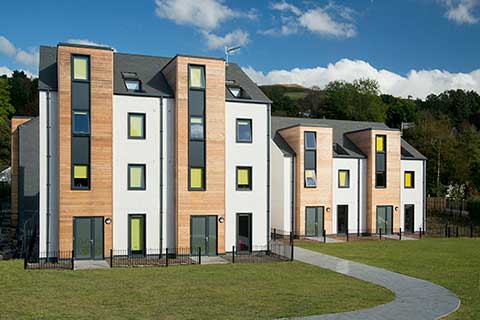
Located just outside the city, right on top of Hadrian's Wall, the Brampton Road campus is full of history, buzzing with excitement, creativity, and a sense of endless possibility. The home of creators, entertainers, rule breakers, and change-markers.
An Open Day is your opportunity to explore one of 5 campuses, meet your lecturers, and find out how the University of Cumbria could become your new home.