Click here to edit using the old editor
{"available": "entirely", "availability": {"status": {"Recruiting Status 26/27":"RP 26/27","Recruiting Status 27/28":"RP 27/28","Recruiting Status 25/26":"RP 25/26"}, "dates": [{"name":"September 2026","month":"September","year":2026},{"name":"September 2027","month":"September","year":2027},{"name":"September 2025","month":"September","year":2025}]}}

BA (Hons) - Animation and Visual Effects

Study Animation and Visual Effects in a practical, production-focused environment where you will develop ideas, design worlds, create characters, build assets, animate movement and combine live-action and digital imagery. Across the course, you will explore how animation and VFX are used to tell stories, shape audiences’ experiences and create believable screen worlds.

You will develop skills across a range of animation and visual effects practices, including 2D and 3D animation, stop motion, modelling, texturing, compositing, motion capture, green screen, concept development and on-set VFX production. Through individual and collaborative projects, you will learn how ideas move from research, design and pre-production into production, post-production and final delivery.

From the beginning of the course, you will be introduced to practical workflows used across animation, VFX, games, film, television and online media. You will build your technical confidence progressively, starting with core creative and production skills before moving into more specialised processes and self-directed project work. By the final year, you will develop a major project or portfolio that reflects your creative identity, technical development and professional ambitions.

Based at our Brampton Road campus, you will have access to specialist production spaces and resources, including studio facilities, media suites, green screen, motion capture, model-making spaces, post-production tools and support from our AV Department. Whether you are animating frame by frame, designing digital assets, compositing visual effects or experimenting with live-action production, the course will support you in developing practical, imaginative and industry-relevant work.

Your learning will be guided by experienced academic staff and visiting industry professionals, helping you understand current animation and VFX practice, develop your creative voice and prepare for future opportunities in film, television, games, animation, visual effects, online media and the wider creative industries.

Apply Now Register Interest


Course Overview

Animation and visual effects are central to contemporary film, television, games, online media and immersive screen production. This practical degree will help you develop the creative, technical and professional skills needed to produce original animation and VFX work, while exploring how these forms are used to tell stories, build worlds and shape audience experience.

With a strong vocational focus, the course is built around practical production, industry-relevant workflows and research-informed creative practice. You will develop skills in animation, compositing, modelling, motion capture, green screen, concept development, pre-production and post-production, while learning how to critically reflect on your work and understand the wider creative industries.
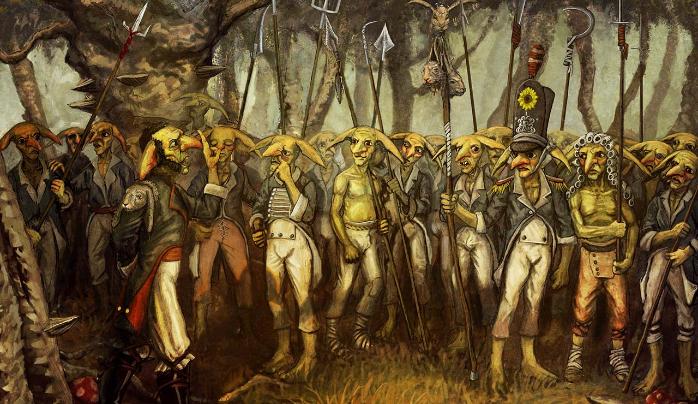
The course is structured to support your development across three years. In your first year, you will build confidence in core creative, technical and production skills. In your second year, you will develop more specialist interests and take on more ambitious project work. In your final year, you will work with greater independence, producing a major project or portfolio that reflects your creative identity, technical ability and professional direction.
Through individual and collaborative projects, live briefs, workshops and external opportunities, you will gain experience of production workflows used across animation and VFX, including research, design, asset creation, shooting, animation, compositing, editing and final delivery. You will learn how to develop ideas, solve creative problems, respond to feedback and prepare your work for audiences, employers or postgraduate study.
A key part of the course is helping you make informed creative choices with digital and physical production technologies. You will be encouraged to experiment, take risks, develop your own visual language and become an adaptable practitioner who can work confidently within a collaborative and changing creative industry.

On this course you will...

  • Develop practical skills in animation and visual effects production, including digital, physical, studio-based and on-location approaches.
  • Gain an understanding of current professional production practices, workflows and technologies used across animation, VFX, film, television, games and online media.
  • Build a portfolio of work that demonstrates your technical development, creative interests and emerging specialism.
  • Explore research-informed creative practice, helping you connect your own production work to wider visual, cultural and industry contexts.
  • Work with specialist facilities and resources, including workshop and studio spaces for traditional animation, physical production, rostrum-based work, lighting, green screen, motion capture and post-production.
  • Take part in guest lectures, workshops, screenings and professional activities that allow you to share your work, receive feedback and make connections with industry practitioners.
Apply Now

Course Structure

What you will learn

This course is designed to help you develop as a creative, technically skilled and reflective animation and visual effects practitioner. Throughout your studies, you will respond to practical briefs, develop original ideas, experiment with production methods and build a portfolio of work that reflects your growing confidence, specialist interests and professional ambitions.

Modules

At Level 4, you will build foundational skills, knowledge and confidence. You will be introduced to core animation and VFX processes, creative problem-solving, visual storytelling, studio practice, digital production and collaborative working.

At Level 5, you will develop your technical ability, creative independence and professional awareness. You will begin to identify areas of specialism, undertake more ambitious projects and explore how animation and VFX workflows operate across film, television, games, online media and related creative industries.

At Level 6, your learning becomes more self-directed and tailored to your individual goals. You will develop a major project, refine your portfolio, consider your career direction and prepare your work for public, professional or postgraduate contexts.

Across the course, you will develop practical production skills alongside research, project management, teamwork, leadership, communication and critical reflection. By the end of the degree, you will have built a body of work that demonstrates your creative identity, technical development and readiness for employment, freelance practice or further study.

Year one

In your first year, you will take part in a series of practical workshops, studio activities and introductory production projects. These will help you develop core technical skills, understand animation and VFX workflows, and begin to explore how ideas are shaped into visual outcomes.

You will also study the cultural, historical and social contexts that inform creative work, helping you understand animation and visual effects as part of a wider screen and visual culture. Alongside this, you will work collaboratively with other students on creative briefs, developing skills in communication, problem-solving, teamwork and production planning.

The emphasis in Year One is on building enthusiasm, confidence and practical understanding. You will be encouraged to experiment, make mistakes, solve creative problems and begin identifying the areas of animation and VFX that interest you most.

  • Animation and VFX Pipelines
    You will be introduced to the core principles of animation and visual effects production. This includes understanding how ideas, designs, assets and shots move through a production pipeline, from early concept development through to finished screen work.
  • Digital Narrative and Concept
    This module develops your generalist skills in animation and VFX by exploring visual storytelling, character, scenario design and screen action. You will begin to consider how digital tools can be used to create engaging worlds, characters and narrative moments.
  • Virtual Stagecraft
    You will explore how digital imagery, animation and computer-generated elements can be combined with filmed or photographed material. The module introduces key principles of compositing, screen-based illusion, virtual production thinking and the relationship between physical and digital image-making.
  • Cultural Contexts
    You will be introduced to cultural, historical and social contexts that inform creative practice across a range of disciplines. This module will help you develop critical thinking and understand your own work in relation to wider visual culture.
  • Collaborative Practice
    You will work with students from other areas to explore creative collaboration through an industry-relevant brief. You will develop skills in discussion, debate, problem-solving, leadership, teamwork and shared production practice.
Year two

In your second year, you will build on the foundations developed at Level 4 and begin to take greater creative and technical ownership of your work. You will develop your skills in ideation, pre-production, visual storytelling, cinematography, animation, asset acquisition and experimental production.

This year gives you the opportunity to explore more ambitious ideas and begin identifying specialist interests. You may work on independent projects, negotiated briefs, collaborative work and live or external opportunities. Tutor-led studio forums will support your development, giving you space to test ideas, receive feedback and refine your approach.

The focus in Year Two is on developing confidence, professional awareness and a clearer sense of creative direction. You will begin to connect your production interests to deeper research, more focused technical development and longer-term career or postgraduate goals.

  • Shot to Screen
    You will undertake a self-directed production project, adapting an existing story, scene or narrative form into a new animated or digitally recreated sequence. This module encourages you to reinterpret source material through your own visual style, technical approach and production process.
  • Script, Storyboard & Previs
    This practical module introduces key techniques in visual storytelling and pre-production for animation and VFX. You will explore idea generation, script development, storyboarding and previsualisation for a range of screen media.
  • Experimental Narrative & Concept
    You will explore alternative approaches to narrative, visual form and production thinking. This module encourages experimentation, helping you challenge conventional storytelling methods, test new creative processes and evaluate different ways of making animation and VFX work.
  • Animation and VFX Cinematography
    You will prepare for the creative and professional challenges of practical effects, digital asset acquisition and on-set VFX production. This may include working with props, scene artefacts, reference material, lighting, production continuity and footage intended for 2D, 3D or composited outcomes.
  • Professional Development
    You will develop your understanding of professional practice in the creative industries. This module supports your transition toward independent work, helping you consider career goals, portfolio development, industry expectations and future opportunities.
Year three

In your final year, you will focus on your own specialist interests, creative ambitions and professional direction. You will apply the skills, knowledge and experience developed across the course to produce a substantial final project or portfolio of work.

Your final year will support research, development, production planning, pitching, experimentation and advanced technical practice. You will be encouraged to develop a project that reflects your own ideas, visual style and skillset, while also considering audience, feasibility, production values and professional presentation.

By the end of the course, you will have a clearer sense of your creative identity, a portfolio of work that demonstrates your abilities, and an understanding of how to position your work for employment, freelance practice, festivals, exhibition or postgraduate study.

  • Research Brief
    You will carry out research and pre-production for your graduate project. This module helps you contextualise your work, define your specialist interests and develop a research portfolio that supports your final production.
  • Production Review
    You will develop and pitch a production idea to a professional or industry-facing audience. This module reflects elements of commissioning and studio practice, requiring you to present your concept, production materials, creative rationale and feasibility planning.
  • Professional Studio Project
    You will consolidate the practical, conceptual and technical skills developed across the course to produce a substantial screen-based project. This final project should reflect your creative identity, specialist skills and understanding of contemporary animation and VFX practice.
  • Festivals & Exhibition
    You will prepare your work for public and professional presentation. This module supports your engagement with festivals, competitions, exhibitions, portfolio platforms and other media-related opportunities after graduation. It will help you consider how to promote your work, reach audiences and take the next steps beyond the course.

Attend an Open Day at Cumbria

An Open Day is your opportunity to explore one of 5 campuses, meet your lecturers, and find out how the University of Cumbria could become your new home.

Take the next step towards achieving your dreams.
A student stands in front of a wall splattered with paint.