How you will learn
To succeed in the creative industries, you need to be technically skilled, creatively confident, professionally organised and able to work both independently and collaboratively. From the start of the course, you will be encouraged to develop a professional approach to production, including communication, planning, problem-solving, reflection, resilience and responsibility for your own work.
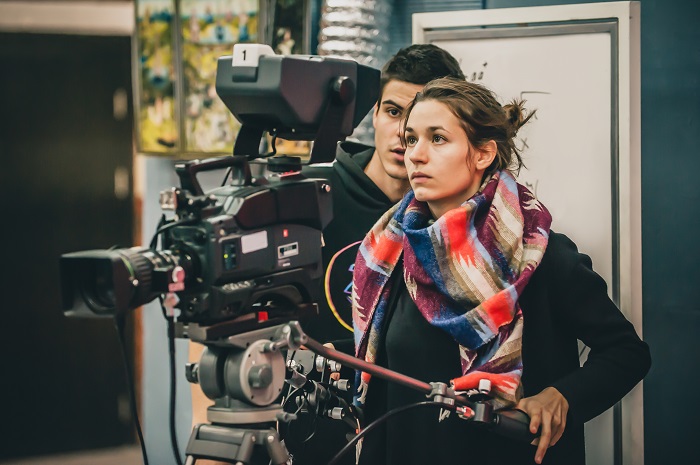
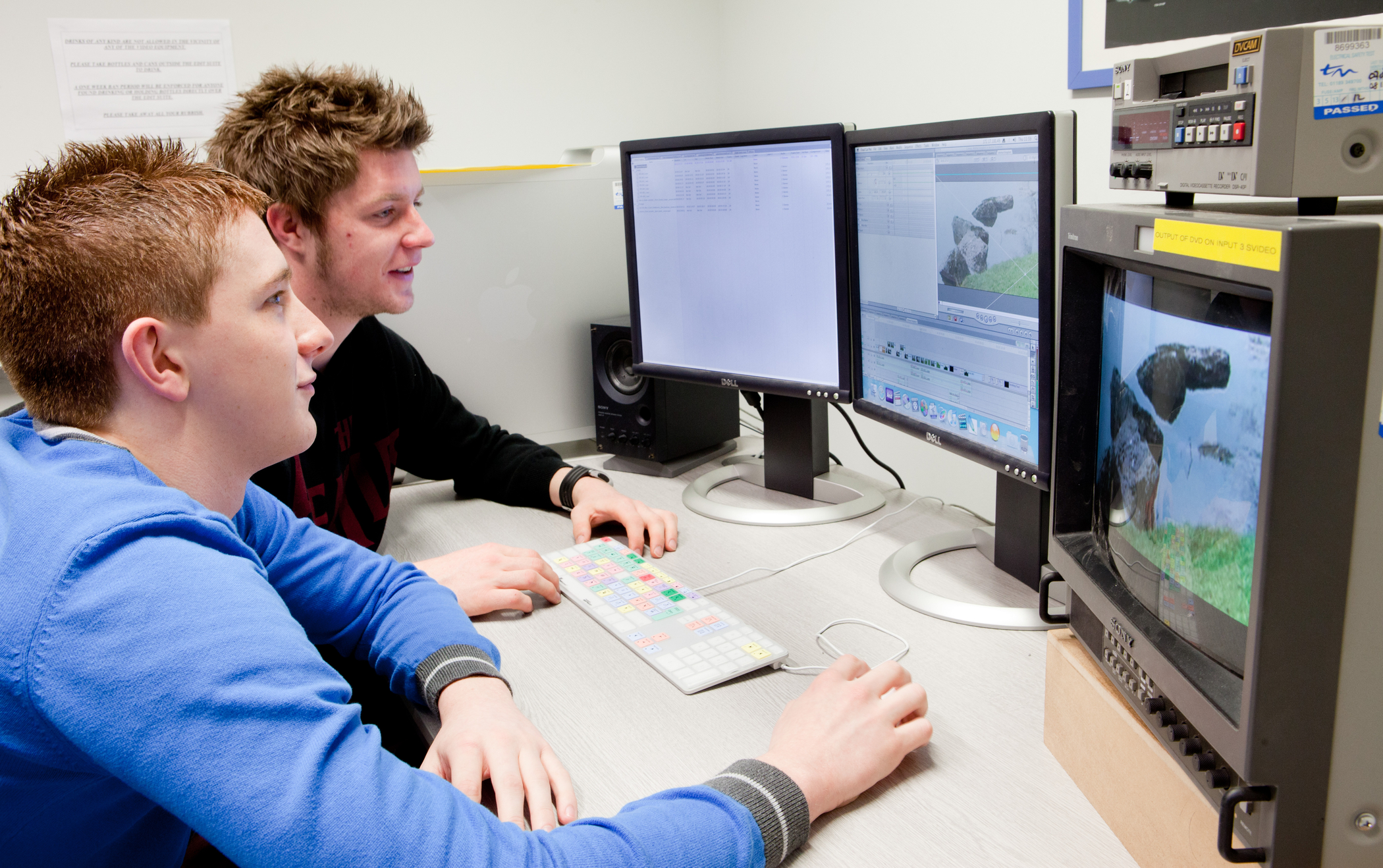
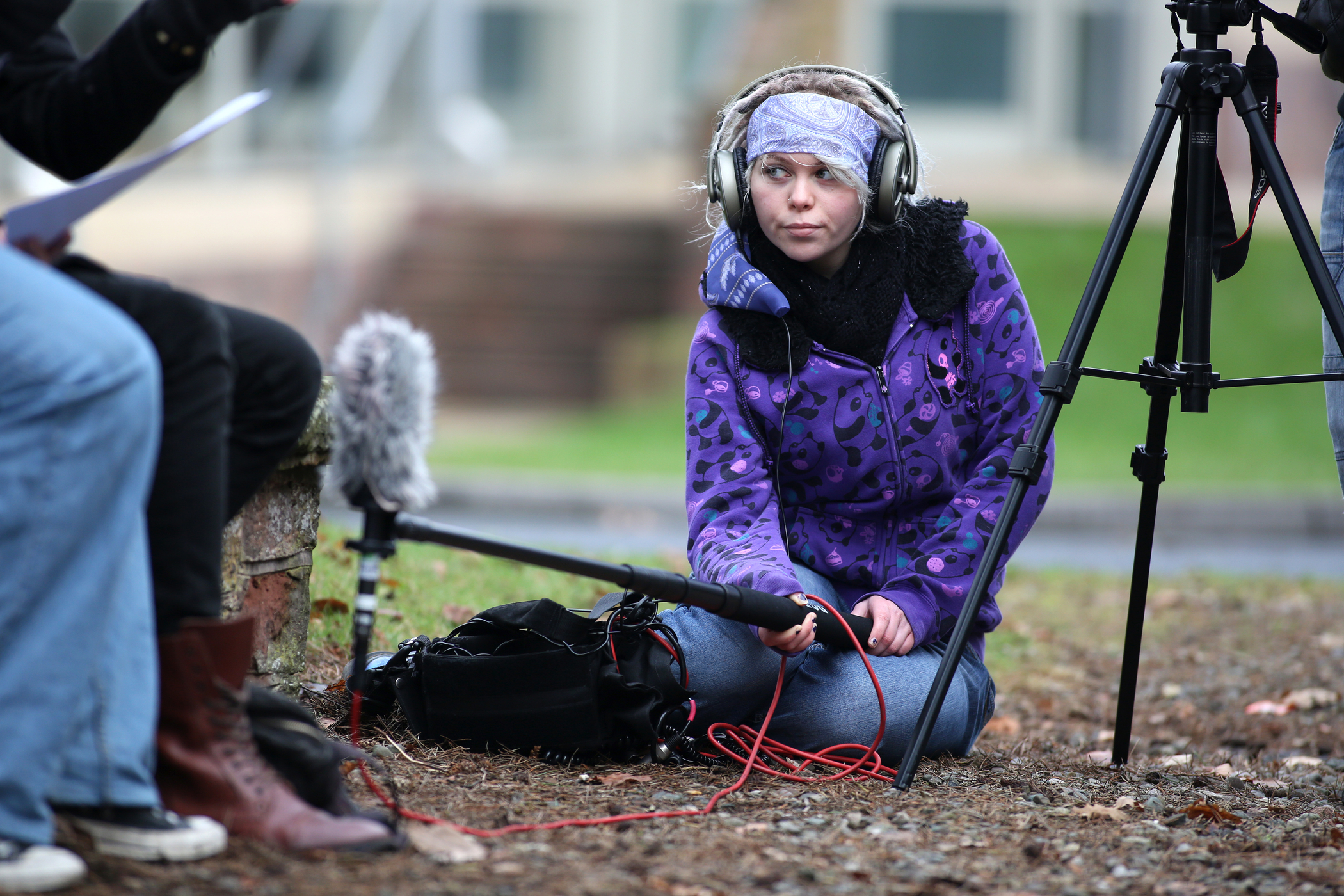
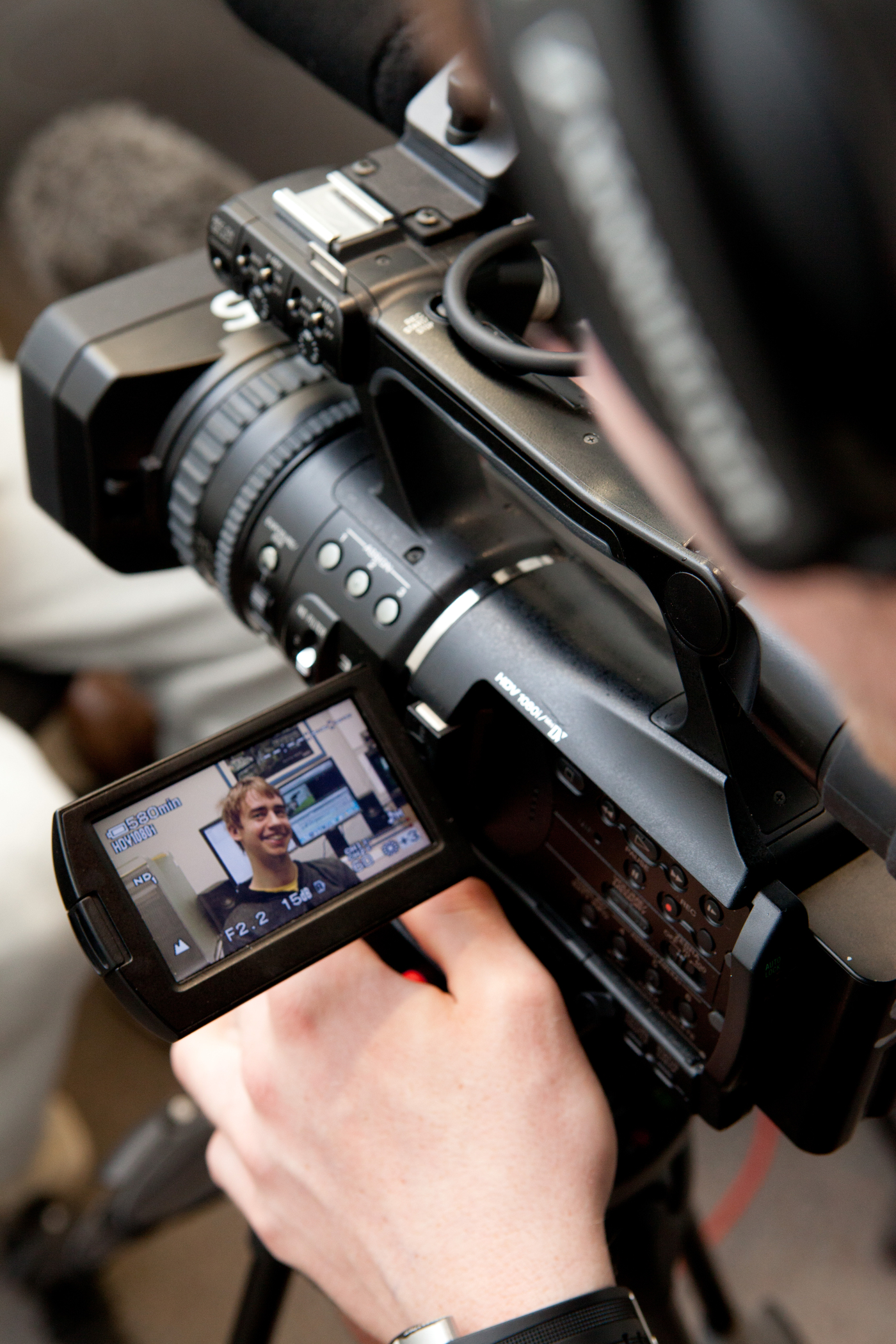
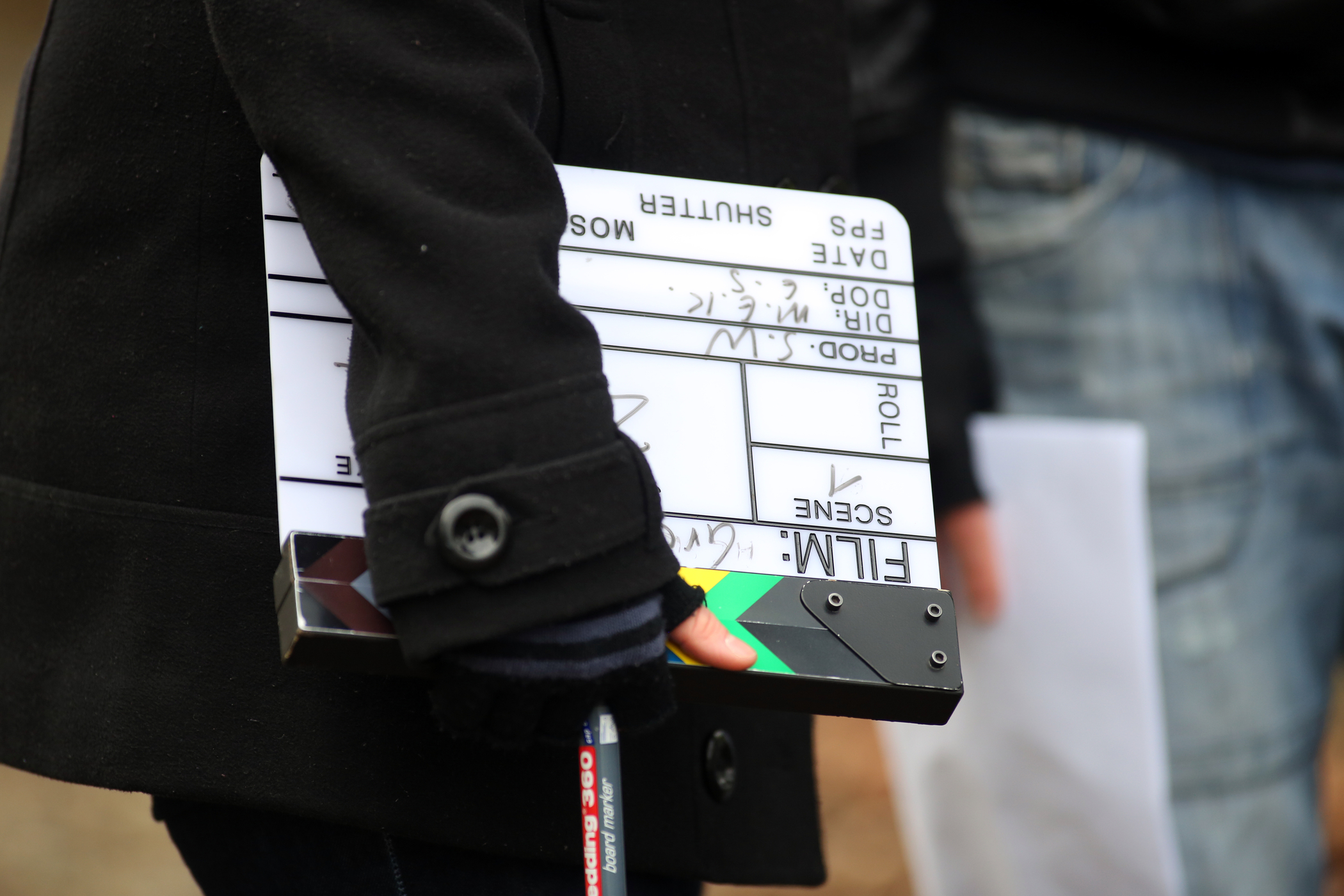
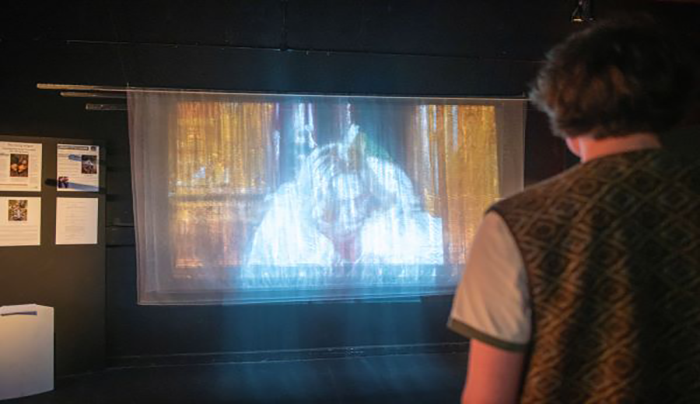
BA (Hons) Film and Television uses a range of teaching and learning approaches, including lectures, demonstrations, seminars, technical workshops, production exercises, screenings, critique sessions, pitching activities and one-to-one tutorials. You will learn through making, testing ideas, receiving feedback and reflecting on your creative development.
You will also undertake self-directed research and use the virtual learning environment to access resources, take part in learning activities, review module materials and support the development of your projects. As you progress through the course, you will become increasingly involved in evaluating your own work and responding constructively to the work of others. Peer feedback, formative tutor feedback and group critique are important parts of the learning process.
In your first year, you will study some modules alongside students from other creative disciplines. This allows you to develop broader creative awareness, collaborate with students from different subject areas and understand how film and television production connects with wider creative practice. You may also work alongside students from related screen-based courses, including Wildlife Media and Animation, through shared production activities and technical learning.
As you move into your second and third years, you will begin to specialise more clearly in Film and Television, taking on more defined production roles and developing larger, more independent projects. You will continue to build professional skills in areas such as pitching, research, portfolio development, project management, audience awareness and presentation.
Learning will take place through a combination of in-person teaching, online resources, practical workshops, production activity, tutorials and field-based work.
How you will be assessed
Assessment on BA (Hons) Film and Television is designed to reflect the range of skills needed in contemporary screen production. You will be assessed through practical, written, reflective and presentational work, allowing you to demonstrate your creative ideas, technical skills, research, collaboration and professional development.
Assessment methods include:
- practical film and television production
- scripts, pitches and development documents
- research portfolio
- production folders and process books
- critical reflection
- essays and written analysis
- individual presentations
- group work and collaborative projects
- professional development portfolios
- graduate project work
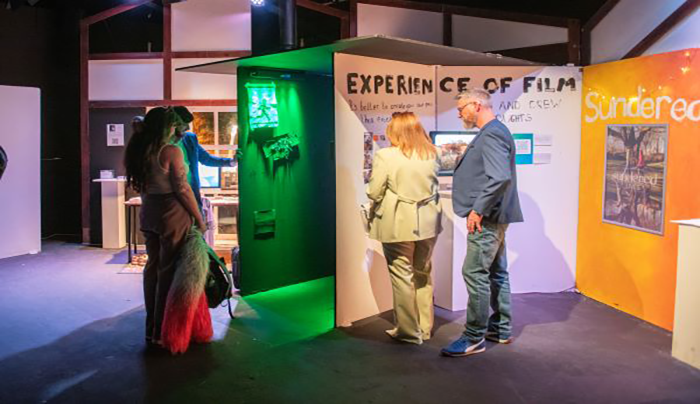
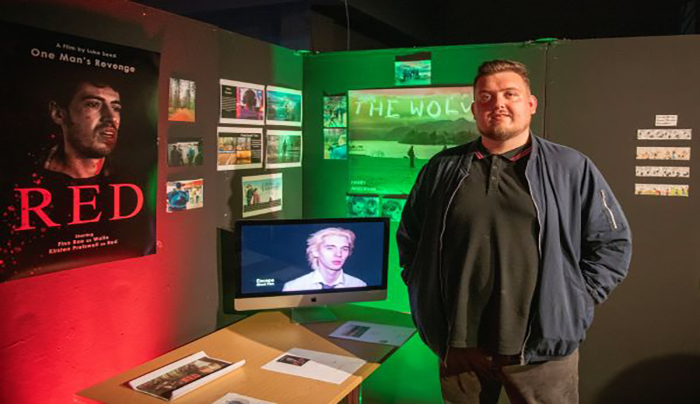
- exhibition, festival and promotional materials
You will receive formative feedback throughout the course to help you develop your work before final submission. This may include feedback through tutorials, workshops, critique sessions, production reviews, peer discussion and project check-ins.
The range of assessment methods is used so that different aspects of your learning can be recognised: your creative decision-making, technical ability, research, professional practice, collaboration, communication and capacity to reflect on your own development. The aim is to help you build not only a final body of work, but also the confidence and professional habits needed to progress into employment, freelance practice, further study or other creative opportunities.