How you will learn
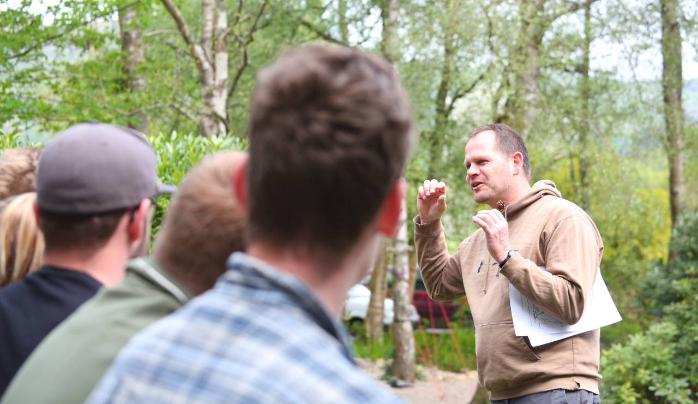
This is an engaging and applied programme, which has distinct modules in each year that blend theory and practice in order to aid the development of fundamental skills, understanding, knowledge, experience and behaviours needed for work and recreation in a range of outdoor contexts. At the core of the programme, is the notion of working positively with other people in outdoor environments that may occasionally be challenging and potentially hazardous. Therefore, the concept of risk and adventure is explored in line with a risk vs. benefit approach to working in a range of outdoor situations.
The key values that we feel passionate about centre on how students develop a sound and critical understanding of the complexities of practice and research within the field, whilst recognising the requirement to balance technical and interpersonal skills. This is linked to an appreciation of recognised professional standards and how students can develop their abilities and capacity to perform at an appropriate level. This is achieved through a range of leadership, development and coaching opportunities, all of which encourage students to engage with the critical theory and practice in our field. Teaching on the programme is designed to improve the foundational ability of the student to manage and work with adventure, and will develop and improve personal outdoor activity competence that supports students in their chosen outdoor skills and career direction.
How you will be assessed
Assessment methods are designed to provide both a creative and balanced strategy but also a range of engaging and challenging opportunities which include essays, reports, practical tasks, posters projects, portfolios and oral presentations to name a few.
The assignment methods are related specifically to the stated module aims and learning outcomes, and the staff team work hard in the planning phase of programme delivery to ensure all assignments are equitably spread, through the use of the department assessment calendar across all levels. Furthermore, there is an over-arching ethos within the department that assignments are designed to encapsulate the idiom of ‘assessment for learning’ rather than of learning.
A variety of modules are linked directly to employability, and particularly the actual behaviours and capabilities required of a professional outdoor leader. This is exemplified in the Level 6 module, entitled Participant Coaching, whereby students are assessed in coaching their peers, with the specific intention of improving their outdoor performance.
Formative assessment is available in most modules, where students receive specific feedback on their progress this far, without the attempt being graded.